Yo, folks! I’m part of a crew that supplies Infrared LED emitters, and today, I wanna chat about whether these nifty gadgets can be used in optical communication systems. Infrared LED Emitters
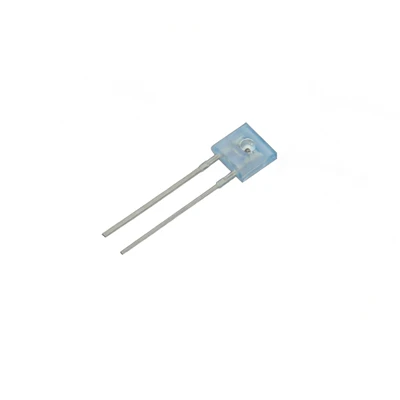
Let’s start with the basics. Infrared LED emitters are devices that give off infrared light. Infrared light is that type of light we can’t see with our own eyes, but it’s all around us. Think of your TV remote – it uses infrared signals to control your TV. It’s like a secret code of light that only the right receivers can “hear.”
So, can we use these infrared LED emitters in optical communication systems? Well, the answer is a big ol’ yes! And there are a bunch of reasons for that.
Advantages of Using Infrared LED Emitters in Optical Communication
1. Cost – Effective
One of the major perks of using infrared LED emitters in optical communication is the cost. Compared to other options like lasers, LEDs are much cheaper to produce. If you’re running a business and looking to set up an optical communication network, you wanna keep costs down, right? Infrared LED emitters let you do just that. You can get a whole bunch of them without breaking the bank. They’re like that reasonably – priced but high – quality pair of shoes that gets the job done.
2. Low – Power Consumption
Another great thing is their low power consumption. In today’s world, where we’re all trying to be more energy – efficient, this is a huge plus. Infrared LED emitters don’t guzzle up electricity like some other devices. They can run for a long time on a relatively small amount of power. This means less money spent on energy bills and a smaller carbon footprint. That’s a win – win in my book!
3. Safety
Safety is always a top concern in any communication system. Infrared LED emitters are a lot safer than lasers. Lasers can be dangerous, especially if they’re not handled properly. They can cause eye damage and other hazards. On the other hand, infrared LEDs emit low – power, non – coherent light, which is much less likely to cause harm. So, you can use them in a wide range of environments without worrying too much about safety issues.
4. Easy Integration
Integrating infrared LED emitters into optical communication systems is a breeze. They’re small and easy to work with, and they can be incorporated into different types of devices. Whether you’re building a small – scale local network or a larger – scale communication infrastructure, you can easily fit these emitters into the design. It’s like adding the missing piece to a puzzle.
Applications in Optical Communication
1. Short – Range Communication
Infrared LED emitters are perfect for short – range communication. For example, in smart homes, different devices can communicate with each other using infrared signals. Your smart thermostat can send info to your smart lighting system, all thanks to these little emitters. In offices, they can be used for short – distance data transfer between devices, like transferring files from one computer to another without the need for cables.
2. Remote Sensing
Optical communication also includes remote sensing applications. Infrared LED emitters can be used to send signals to sensors placed at a distance. These sensors can then collect data and send it back to a central system. This is super useful in environmental monitoring, where we need to collect data from various remote locations without physically going there.
3. Indoor Localization
In modern buildings, infrared LED emitters can help with indoor localization. By placing these emitters at strategic locations, we can use them to determine the position of objects or people inside the building. For instance, in a large warehouse, the system can track the movement of forklifts and other equipment using infrared – based localization.
Challenges and Limitations
Of course, it’s not all sunshine and rainbows. There are some challenges when using infrared LED emitters in optical communication systems.
1. Limited Range
The biggest drawback is the limited range. Infrared signals don’t travel very far compared to other types of communication signals. They can be easily blocked by obstacles like walls and furniture. So, if you need to set up a long – distance communication link, using infrared LED emitters might not be the best option. But for short – to medium – range applications, they work just fine.
2. Susceptibility to Interference
Infrared signals can be affected by environmental factors. Sunlight contains a lot of infrared radiation, and this can interfere with the signals sent by the LED emitters. Also, other infrared – emitting devices in the vicinity can cause interference. This means that in outdoor or highly – populated indoor environments, extra measures need to be taken to ensure reliable communication.
3. Data Rate
The data rate that infrared LED emitters can support is relatively lower compared to some other high – end communication technologies. If you need to transfer large amounts of data quickly, like in a high – definition video streaming scenario, infrared LEDs might struggle to keep up.
Overcoming the Challenges
But don’t worry, there are ways to deal with these challenges.
1. Repeaters
To increase the range of the infrared communication, we can use repeaters. These are devices that receive the infrared signals, amplify them, and then re – transmit them. By placing repeaters at regular intervals, we can extend the reach of the communication network.
2. Signal Encoding
To reduce the impact of interference, we can use advanced signal encoding techniques. These techniques add extra information to the signal, which helps the receiver to distinguish the desired signal from the background noise.
3. Hybrid Systems
To achieve higher data rates, we can combine infrared communication with other technologies. For example, we can use a high – speed wired connection for the initial setup and then use infrared for short – range, low – data – rate communication between devices in the vicinity.
Wrapping It Up
In conclusion, infrared LED emitters definitely have a place in optical communication systems. Their cost – effectiveness, low – power consumption, safety, and ease of integration make them a great choice for many short – to medium – range applications. Sure, there are some limitations, but with the right strategies, we can overcome them.
Optoelectronic Devices If you’re in the market for an optical communication solution and think infrared LED emitters might be the way to go, I’d love to chat. We’ve got a wide range of Infrared LED emitters that can meet your specific needs. Whether you’re working on a small project or a large – scale system, we’re here to help. Just reach out for a chat and we can start figuring out the best solution for you.
References
- "Introduction to Optoelectronics" by John Wilson and Josée F. Bate
- "Fundamentals of Photonics" by Bahaa E. A. Saleh and Malvin Carl Teich
- Various technical papers on infrared communication from IEEE Xplore
Zhejiang Chengmei Technology Co., Ltd.
As one of the most professional infrared led emitters manufacturers and suppliers in China, we’re featured by quality products and good price. Please rest assured to wholesale bulk premium infrared led emitters made in China here from our factory. Also, quotation is available.
Address: No. 383, Jinhe Road, Qinshan Street Industrial Park, Haiyan County, Jiaxing City, Zhejiang Province
E-mail: shiwei@cm-semi.com
WebSite: https://www.cmfiber.com/
