If you’ve ever wondered how your car’s suspension absorbs potholes, keeps your steering tight, or makes those quiet turns without clunking over bumps, there’s a tiny but total unsung hero behind it: strut bearings. I’m Jake, and I’ve been selling strut bearings for 12 years now—running a small, family-operated supply shop, so I’ve talked to mechanics, weekend gearheads, and even dealership techs every single day. The number one question I get is usually something like, “Wait, are strut bearings even different? I just buy the one that fits my year/make/model.” Let me break this down straight, no fancy engineering jargon that’ll make your eyes glaze over, because this stuff matters way more than you think when you’re replacing parts that keep you safe on the road. Strut Bearing
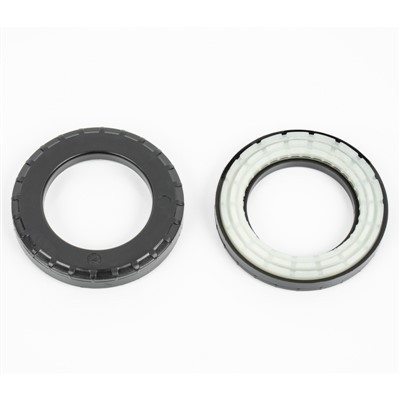
First off, let’s get the basics right so we’re all on the same page. A strut bearing (sometimes people call it a strut mount bearing, and yeah, that’s the same thing) sits right on top of your strut assembly, between the chassis and the top of the coil spring. Its only job sounds simple on paper: let the strut pivot when you turn the steering wheel, and keep the suspension and chassis from grinding or clunking every time you hit a bump or bounce. But “job” doesn’t mean “one-size-fits-all”—that’s where the types come in. Over the years, I’ve seen three main categories of strut bearings that everyone deals with, even if they don’t know it, and each has its own quirks, use cases, and signs that it’s going bad.
Let’s start with the most common one you’ll find on basic passenger cars, the plain radial strut bearing. This is the workhorse, the kind that’s been around for decades. It’s basically a set of steel balls (or sometimes rollers, wait—no, radial ones are almost always balls) sandwiched between two flat steel races, right? No fancy extra parts, no seals that are super tight, nothing. These are cheap to make, easy to design for old Toyotas, Hondas, Fords, whatever your grandma drives that’s 10+ years old. I stock tons of these because they’re the go-to for most DIYers who don’t want to drop $50 on a bearing when the old one is just plain worn out. But here’s the catch: they’re only built for light loads. If you’re hauling a big trailer, or you have a lifted truck that’s modified for off-roading, these plain bearings will wear out in half the time. Why? Because they can’t handle the extra stress from heavy loads or rough terrain—all those little metal balls get stressed unevenly, and they’ll start pitting or seizing way faster than a heavier-duty option. I had a guy come in last month who put a plain radial bearing on his lifted Silverado, and it clunked so bad on the way back home that he had to tear it apart and get a different one. Lesson learned, right?
Next up, the roller-type strut bearing, and this is the one that’s blowing up lately for trucks, SUVs, and performance cars. Instead of those tiny steel balls, this uses long cylindrical rollers between the races. Sounds like a small difference, but it’s a game-changer. Rollers have way more surface area touching the races, so they can handle way heavier loads. That’s why you’ll see these on off-road rigs, towing vehicles, and even sports cars that corner hard—all that stress from heavy steering or big bumps doesn’t wear them out nearly as fast. I don’t just sell these for modified vehicles, either: a lot of new family SUVs are coming with roller bearings from the factory now, because they last longer and reduce that annoying “steering dead spot” that makes you wander when you’re driving on the highway. But they’re not perfect. They’re a bit more expensive, and they’re bulkier, so they won’t fit every strut assembly out there. If you’ve got a compact hatchback, chances are you can’t swap a roller bearing in—there’s just not enough space between the strut and the chassis. That’s why it’s super important to know your vehicle’s specs before you buy, not just the part number someone told you online.
Wait, there’s another type I almost forgot: the sealed strut bearing. Yeah, I know, both radial and roller styles can be sealed, but this is a whole category on its own because of what the seal does. Most plain radial bearings are open, right? They have a tiny rubber or metal shield, but not much to keep dirt, water, and salt out. Sealed bearings? They have a double rubber seal all the way around, so nothing gets inside. That’s huge for people who live in areas with snow and ice, or who drive on gravel roads every day. I had a mechanic from Minnesota come in last winter saying his shop was going through plain bearings left and right because salt was seizing them up before they even hit 50k miles. Switched him to sealed bearings, and he said he hasn’t replaced a strut bearing in any of his shop’s Minnesota jobs in two years. That’s a massive difference. But the seal comes with a downside: if the seal gets damaged, water and dirt get trapped inside, and the bearing wears out even faster than an open one. So you have to be careful not to nick the seal when you’re installing it. I always tell people to wipe the top of the strut assembly clean before putting a new bearing on—any grit there will scratch the seal, and that’s a ticking time bomb.
Now, let’s cut to the part that matters: how do you know which one you need? I’ve got a rule of thumb I’ve been using for years, and it’s saved me (and a lot of my customers) a ton of headaches. First, check your vehicle’s owner’s manual. It’ll tell you what type of bearing the factory uses, and that’s always a good starting point. If you’re replacing a bearing that’s already worn out, look at the old one: are there tiny balls, or long rollers? Is there a seal around the edge? If the old one is pitted or clunking when you turn, take a picture and shoot it to me, or show it to your mechanic. That’s way easier than guessing. And if you’re modifying your vehicle—lifting it, adding a trailer hitch, putting bigger tires on—don’t just stick with the plain radial one. Step up to a roller or sealed roller bearing. It’s a little more money upfront, but you won’t be back in a month replacing a broken bearing because you cut corners.
I also get a lot of people asking: can I mix and match types? Like, put a sealed roller bearing on a car that originally had a plain radial one? No, not usually. The strut mount and chassis are built to fit a specific size and load rating. If you put a bearing that’s too big, it won’t seat right, and you’ll get that same clunk or steering play. If it’s too small, it’ll move around, and the strut could shift—way too dangerous. I saw a guy try that once with his 2018 Civic, and the bearing shifted mid-turn on a back road. He totaled his fender, and that’s a $1,500 mistake just because he wanted to save a few bucks. Don’t do that.
Now, let’s talk about when you should replace your strut bearing, regardless of type, because a lot of people confuse it with struts themselves. A bad strut bearing doesn’t just make noise— it makes your steering worse. You’ll get that loose, “wobbly” feeling when you turn, or a clunk when you go over speed bumps, or even uneven tire wear because the strut isn’t pivoting right. If you’re noticing any of that, don’t wait until your struts fail entirely. A strut bearing replacement is a lot cheaper than replacing a whole strut assembly, and it’s way safer to get it done early.
Here’s my take as someone who’s been in this game for 12 years: strut bearings aren’t just “tiny metal rings.” They’re a huge part of your suspension, and picking the right type can make the difference between a smooth drive and constant headaches. Whether you’re a DIYer looking for a cheap, reliable plain bearing for your daily commuter, or a off-road junkie needing a heavy-duty roller bearing to handle your 4×4, I stock every type I mentioned, and I’ve got the experience to point you to the right one for your ride.

If you’re not sure what kind you need, don’t stress. Just reach out—whether you’re a mechanic, a weekend gearhead, or someone who’s just trying to fix their car after a bad pothole, I’m here to help. I don’t push the most expensive part; I push the right part for your specific vehicle and how you drive it.
Strut Mount Bearing Don’t hesitate to connect with me to chat through what you’re working on, compare specs, or grab a quote for whatever strut bearing you need.
References
- Automotive Suspension Systems: Principles and Design, SAE International, 2019
- Strut Mount and Bearing Technology Overview, Society of Automotive Engineers Journal, 2021
- “Common Failure Modes of Suspension Bearings,” Automotive Repair Association Technical Bulletin, 2022
- Off-Road Suspension Upgrade Guide, Off-Road Magazine, 2023
Ningbo Tengzhan Automotive Bearing Manufacturing Co., Ltd.
As one of the leading strut bearing manufacturers and suppliers in China, we also support customized service with low price. We warmly welcome you to wholesale high quality strut bearing for sale here from our factory. If you have any enquiry about quotation, please feel free to email us.
Address: No. 9, Binyuan North Road, Chayuan Town, Ninghai County, Ningbo City
E-mail: kxm@cnnhts.com
WebSite: https://www.cntengzhan.com/
