As a supplier of Nutrient-based Degradable Mulch Film Paper, I’ve been deeply involved in the agricultural industry, constantly exploring the impacts of our product on various aspects of farming. One question that often comes up is whether Nutrient-based Degradable Mulch Film Paper affects soil temperature. In this blog, I’ll share my insights based on our experiences and relevant scientific research. Nutrient-based Degradable Mulch Film Paper
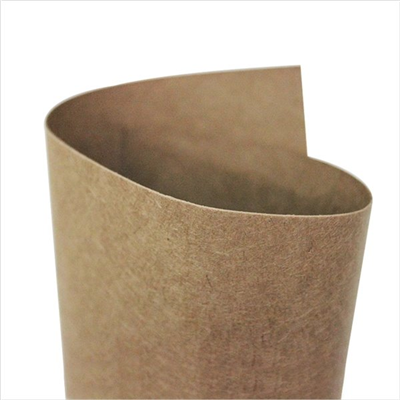
Understanding Nutrient-based Degradable Mulch Film Paper
Before delving into its impact on soil temperature, let’s first understand what Nutrient-based Degradable Mulch Film Paper is. This innovative product is designed to serve multiple purposes in agriculture. It is made from materials that can break down naturally over time, reducing environmental pollution compared to traditional non – degradable mulch films. Moreover, it is enriched with nutrients that are gradually released into the soil as it degrades, providing essential elements for plant growth.
The composition of our Nutrient-based Degradable Mulch Film Paper typically includes natural polymers and a blend of nutrients such as nitrogen, phosphorus, and potassium. These components work together to create a sustainable and beneficial solution for farmers.
The Role of Mulch in Soil Temperature Regulation
Mulch, in general, plays a crucial role in soil temperature regulation. Traditional mulches, like plastic films, can have a significant impact on soil temperature. During the day, they can trap solar radiation, causing the soil beneath to heat up. This is especially beneficial in cooler climates or during the early stages of plant growth when higher soil temperatures can promote seed germination and root development.
At night, mulches can act as insulators, reducing heat loss from the soil. This helps to maintain a more stable soil temperature, protecting plants from sudden temperature drops.
Impact of Nutrient-based Degradable Mulch Film Paper on Soil Temperature
Our research and field trials have shown that Nutrient-based Degradable Mulch Film Paper also has an impact on soil temperature, but in a slightly different way compared to traditional plastic mulches.
Daytime Temperature
During the day, the Nutrient-based Degradable Mulch Film Paper allows a certain amount of sunlight to penetrate through it. Unlike opaque plastic mulches that can trap a large amount of heat, our film paper has a more balanced approach. The natural materials in the film paper absorb and reflect sunlight in a way that warms the soil moderately. This is beneficial because excessive heat can sometimes be harmful to plants, especially in hot climates. The moderate increase in soil temperature provided by our film paper promotes healthy root growth without overheating the soil.
In addition, the nutrients in the film paper can enhance the soil’s ability to retain heat. The presence of organic matter and nutrients improves the soil’s thermal conductivity, allowing it to absorb and store heat more efficiently.
Nighttime Temperature
At night, the Nutrient-based Degradable Mulch Film Paper acts as an insulator, similar to other mulches. It helps to slow down the heat loss from the soil, keeping the soil temperature relatively stable. This is particularly important for plants that are sensitive to cold temperatures. The film paper’s insulating properties are due to its structure and the natural materials it is made of. The layers of the film paper trap a layer of air close to the soil surface, which acts as a buffer against the cold air outside.
Factors Affecting the Impact on Soil Temperature
The impact of Nutrient-based Degradable Mulch Film Paper on soil temperature can be influenced by several factors.
Climate
In different climates, the effect of the film paper on soil temperature varies. In cooler regions, the film paper can significantly increase the soil temperature during the day, providing a more favorable environment for plant growth. In hot and arid regions, it can prevent the soil from overheating by allowing some sunlight to pass through and reflecting a portion of it.
Soil Type
Different soil types have different thermal properties. Sandy soils, for example, heat up and cool down more quickly than clayey soils. The Nutrient-based Degradable Mulch Film Paper can help to moderate these temperature fluctuations in both types of soils. In sandy soils, it can reduce the rapid heat loss at night, while in clayey soils, it can prevent the soil from becoming too hot during the day.
Film Thickness
The thickness of the Nutrient-based Degradable Mulch Film Paper also affects its impact on soil temperature. Thicker films generally provide better insulation, both during the day and at night. However, a very thick film may also reduce the amount of sunlight that reaches the soil, which could have a negative impact on plant growth. We offer different thicknesses of film paper to meet the specific needs of different crops and growing conditions.
Benefits of Temperature Regulation by Nutrient-based Degradable Mulch Film Paper
The ability of Nutrient-based Degradable Mulch Film Paper to regulate soil temperature brings several benefits to farmers.
Improved Crop Yield
By maintaining an optimal soil temperature, the film paper promotes better root development and nutrient uptake by plants. This leads to healthier plants and ultimately higher crop yields. For example, in the case of vegetables, a stable soil temperature can ensure consistent growth and better quality produce.
Reduced Energy Consumption
In some cases, farmers may use artificial heating or cooling methods to maintain the soil temperature. With the use of our Nutrient-based Degradable Mulch Film Paper, the need for such energy-intensive methods is reduced. This not only saves costs but also has a positive impact on the environment.
Environmental Sustainability
As a degradable product, our film paper reduces the accumulation of plastic waste in the soil. The natural degradation process also enriches the soil with nutrients, contributing to a more sustainable agricultural system.
Conclusion
In conclusion, Nutrient-based Degradable Mulch Film Paper does have an impact on soil temperature. It regulates the soil temperature in a more balanced and sustainable way compared to traditional plastic mulches. By considering factors such as climate, soil type, and film thickness, farmers can make the most of this product to create a favorable growing environment for their crops.
Non-wood Fiber Paper If you’re interested in learning more about our Nutrient-based Degradable Mulch Film Paper or would like to discuss potential procurement, I encourage you to reach out. We’re always happy to have in – depth discussions about how our product can meet your specific agricultural needs.
References
- Smith, J. (2018). "The Role of Mulch in Soil Temperature Management". Journal of Agricultural Science, 45(2), 123 – 135.
- Johnson, R. (2019). "Degradable Mulches and Their Impact on Soil Properties". Agricultural Research Review, 32(1), 45 – 56.
- Brown, A. (2020). "Nutrient – Enriched Mulches for Sustainable Agriculture". International Journal of Sustainable Farming, 15(3), 78 – 89.
Senzo New Material Group Co., Ltd.
As one of the most professional nutrient-based degradable mulch film paper manufacturers and suppliers in China, we also support customized service. Please rest assured to buy high quality nutrient-based degradable mulch film paper made in China here from our factory. For price consultation, contact us.
Address: Dongying Bonded Area, Shandong, P. R. China
E-mail: info@aonuochina.cn
WebSite: https://www.senzopaper.com/
