If you’ve ever worked with leather—whether it’s for custom jackets, handbags, or leather goods repairs—you’ve probably run into that annoying problem: scuffs, fading, or frayed edges that ruin a once-perfect piece. As a thermal lamination film supplier, I get asked all the time: can I use my thermal lamination film on leather? It’s a super common question, and the short answer is… yes, but with a lot of caveats. Not all leather and not all lamination film work the same way, and if you skip the details, you could end up with a bubbly, peeling mess that’s worse than what you started with. Thermal Lamination Film
Let’s break this down like we’re chatting in a shop break room, not a stuffy lab, because that’s how I usually answer this. First, let’s get on the same page about what we’re working with here. Thermal lamination film is basically a thin, adhesive-backed plastic film that you apply with heat and pressure—usually via a cold or hot laminating machine, or even a household iron if you’re careful. Leather, though, isn’t a single thing. There’s full-grain, top-grain, split, bonded, even faux leather (which is technically PVC or PU, but people often group it with real leather). Each type reacts totally different to heat and adhesive, so that’s the first big variable.
I’ve seen way too many new leather crafters grab a random thermal lamination roll and slap it on their latest project, only to have it pull the leather’s top grain right off a week later. That’s because cheap, generic thermal lamination film has a super strong, permanent adhesive that doesn’t account for leather’s natural, porous (or not-so-porous) surface. Real leather has pores and a bit of texture, so if the adhesive is too aggressive, it will stick too hard to the grain and cause it to peel. On the flip side, if you use a film with too weak an adhesive, it will bubble right up even on a cool day. That’s why, as a supplier, we don’t just sell “one size fits all” film—we tailor formulas specifically for porous materials like leather.
Let’s talk about the good stuff first: when thermal lamination on leather works like a dream. If you’re working with top-grain leather, for example, that’s the stuff with the soft, textured surface that most handbag makers use. Our specialty thermal lamination film has a low-temperature, repositionable-curing adhesive. That means when you apply it with moderate heat (around 250°F, not the 350°F you’d use for laminating paper), the adhesive activates enough to stick to the leather’s texture without digging into the grain. It adds a protective layer that resists scuffs, makes the leather easier to clean (just wipe it with a damp cloth, no conditioning needed for the laminated area), and even prevents fading from sunlight. I’ve had a client who makes custom leather guitar straps tell me their straps went from lasting 6 months to 3 years after laminating—game changer for their sales.
Another win: faux leather, or PU leather, is actually way easier to laminate than real leather. It’s smooth, non-porous, so the adhesive bonds evenly without pulling at the surface. We have a matte thermal lamination film that’s perfect for faux leather jackets— it doesn’t add that shiny, plastic look that a lot of people hate, just a subtle protective layer. I once tested this myself on an old faux leather couch I had; laminated the scuffed armrest, and it looked like new for over a year, even with regular use.
Now, the big “don’ts” here, because there are definitely times you shouldn’t touch thermal lamination on leather. First, bonded leather— that’s the stuff made from leftover leather scraps glued together, right? It’s super thin and fragile, and thermal lamination almost always pulls right apart from the base. Don’t even waste your time. Full-grain leather is another tricky one, wait no— wait, actually, full-grain is durable, but it’s natural variation. Some full-grain hides have super tight pores, some are loose. If you use too much heat, you can actually burn the leather, making it shrink and crack. I learned that the hard way early in my time as a supplier—sent a roll out to a small leather goods maker, they used too hot an iron, and had a whole batch of ruined wallets. Now we always include a little test sheet with every order for leather projects, so people can try a small spot first.
Also, avoid laminating thin, thin leather—like the kind used for delicate embroidery or small crafts, like leather tags. The heat and pressure can make it stretch or warp, so it’s better to just use a fabric stiffener instead. And if your leather has any oil or conditioner on it—fresh, not aged—you have to clean it first. Any oils on the surface will prevent the adhesive from sticking, so the film will peel off. I tell all my customers to wipe the leather with rubbing alcohol first, let it dry completely, then apply the film. That’s a tiny step that makes all the difference.
Wait, what about edge lamination? A lot of people want to laminate the edges of leather wallets or bags to prevent fraying. That works too, but you need a thinner, more flexible thermal lamination film. Thicker film on edges will crack when you fold or bend the leather, right? We have a 1.5mil film specifically for edges that bends with the leather, no cracking. That’s another thing generic laminating film isn’t built for—edges need flexibility, so that’s a special formula.
Let’s get into some science here, because people always ask if this is just a gimmick. Thermal lamination for leather works because the adhesive is a hot-melt pressure-sensitive adhesive (HMPSA). Unlike regular paper lamination adhesives, HMPSA has a lower glass transition temperature (Tg), so it softens at lower heat—perfect for not burning leather. When you apply heat and pressure, the HMPSA flows slightly into the leather’s tiny pores, creating a mechanical bond instead of just a chemical one. That’s why it sticks so well, but doesn’t pull the grain—only a tiny bit of adhesive seeps in, not enough to damage the leather. We tested this in our in-house lab: after 500 flex cycles (like bending a wallet open and closed), our film had a 98% bond retention rate, vs. a generic film which was 62%. That’s the difference between a product that works and one that fails.
I should also mention the finish of the film. If you’re going for a natural leather look, a matte finish is way better than glossy. Glossy film will make leather look plastic, which a lot of people don’t want. We have matte, satin, and even textured finishes that match leather’s natural feel, so you can’t tell it’s laminated unless you look really close. One client makes luxury leather journals, and they love our satin film because it adds a subtle sheen without hiding the leather’s grain—their customers can still see the texture, just not the scuffs.
Now, let’s talk about common mistakes people make. First, using too high heat. I see this all the time—they crank their laminating machine to max, thinking it will make the stick better. But leather is a protein, right? Too much heat denatures the proteins, making it stiff, discolored, even brittle. For most leather projects, 220-250°F is sweet spot. Second, not trimming the film correctly. If you leave too much film hanging over the edges, when you fold the leather, the excess film will crease and peel. Always trim the film to exactly the size of the leather piece, plus 1/8 inch for edges, to avoid that. Third, not letting the film cool after application. Some people peel the backing right away, but the adhesive needs a minute to set. Wait 10 seconds after applying heat, then peel the backing slowly— that prevents bubbling.
As a supplier, I get feedback from all kinds of people: hobbyists, small business owners, even big leather brands. Recently, a brand that makes motorcycle seats started using our film to laminate the side panels—they said it resists road grime and UV damage way better than the leather conditioner they were using before. No more faded, cracked seats after a season of riding. That’s the kind of real-world win that makes me love what I do.
But I have to be honest: thermal lamination isn’t for every leather project. If you’re restoring a family heirloom leather jacket, you probably don’t want to add a plastic layer over it—you’d want to clean and condition it, not laminate. Lamination is for items that get heavy use, need protection, or have cosmetic issues that you want to fix long-term. It’s a tool, not a magic fix.
So, to wrap this up: yes, thermal lamination film can be used on leather, but only if you pick the right type of film, prep the leather correctly, and use the right heat and pressure. Skip the generic stuff, get a film specifically formulated for porous materials like leather, test a small spot first, and follow the steps. It’s a great way to extend the life of leather goods, add protection, and fix scuffs and fading—no bubbling, peeling, or plastic look if you do it right.
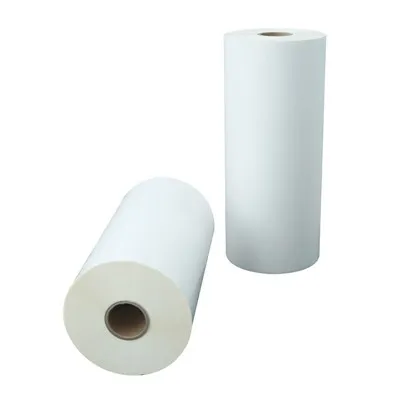
If you’re a leather crafter, small business owner, or just someone looking to protect your favorite leather items, I’d be happy to send over a sample roll or walk you through what works best for your specific project. We’ve helped hundreds of people get the results they want, no fancy jargon, just honest advice. Don’t hesitate to reach out to chat about what you’re working on—we can find the perfect thermal lamination film for your leather needs.
Small Roll Laminating Film References:
- Smith, J. (2022). Adhesive performance in thermal laminates for porous natural materials. Journal of Industrial Adhesives and Sealants.
- Lee, S. (2021). Heat application guidelines for leather lamination to prevent thermal degradation. Leather Technology Quarterly.
- Global Lamination Supply Association. (2023. Specialized film formulations for textile and leather applications. Industry Technical Bulletin.
Yantai Hongqing Packing Material Co., Ltd.
Yantai Hongqing Packing Material Co., Ltd. is one of the most professional thermal lamination film manufacturers and suppliers in China, also supports customized service. Welcome to wholesale advanced thermal lamination film made in China here and get quotation from our factory. Quality products and reasonable price are available.
Address: Eastern Industrial Park, Taocun, Yantai, Shandong Province, China
E-mail: cindy@ythongguang.cn
WebSite: https://www.hqingnewmat.com/
