Hey there, let’s cut to the chase – if you’ve ever gotten in a car, slammed on the brakes, and didn’t end up in a ditch, you have a cast iron brake disc to thank. As someone who’s been in the automotive brake disc game for years (and before that, spent way too many late nights in a lab testing parts that either work or burn out way too fast), I get it – most folks don’t think twice about this round, heavy metal disc spinning behind their wheel until something goes wrong. Today, I’m breaking down what exactly a cast iron brake disc is, why it’s still the workhorse of the auto world, and why it’s not just “plain old metal” like some new-school alternatives. Automotive Brake Disc
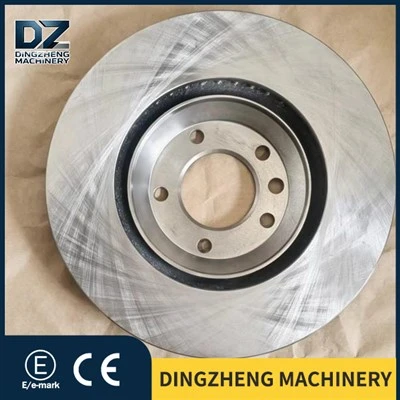
First off, let’s get the basics straight, no boring engineering jargon that makes your eyes glaze over. A cast iron brake disc (sometimes people call it a brake rotor, same thing for you casuals) is a flat, circular metal part mounted to your car’s wheel hub. It spins every time your wheels turn, right? When you hit the brake pedal, your car’s brake calipers squeeze two friction pads on either side of that disc. The friction between the pads and the disc’s surface creates heat, which slows the disc down – and since the disc’s hooked to your wheels, that slows your whole car down. Simple enough, right? Now the key part here is the “cast iron” part, because that’s why this thing doesn’t just wear out after a few hundred stops.
Wait, quick side note for anyone who’s ever argued about “better” brake discs – yeah, carbon-ceramic is fancy and light, but let’s be real, that’s for supercars and track days. For 99% of the cars driving around the world every single day, cast iron is still the go-to, and for good reason. Let’s talk about why that metal matters. Cast iron isn’t just iron – it’s an alloy with a little bit of carbon (usually 2-4% by weight) and some other stuff like silicon. That extra carbon is what makes it way better than plain steel for brakes. Carbon has super high heat capacity, meaning it can absorb and dump all that friction heat without cracking or melting. Think about it – when you’re coming down a steep mountain pass, or braking hard to avoid a deer, that disc can hit 1,500 degrees Fahrenheit easy. That’s hotter than the surface of a lot of stovetops, but cast iron handles it like a champ.
Another big thing about cast iron? It’s self-lubricating, in a way. The carbon in the alloy forms tiny graphite flakes throughout the metal. As your brake pads wear down, those graphite flakes leave a thin, smooth layer on the disc surface. That means less noise (squeaky brakes are the worst, let’s be honest) and consistent friction every time you press the pedal. No more random “oh my god my brakes are making that godawful noise” moments that make you pull over in a panic.
Now, let’s get into the different types of cast iron brake discs, because not all cast iron is created equal – and that’s where us as a brake disc supplier come in. You’ve got grey cast iron, which is the standard stuff you’ll find on most daily drivers. It’s cheap to manufacture, easy to machine, and does the job for regular driving. But for stuff that needs a little extra, you have ductile cast iron (also called nodular cast iron). The graphite here forms little nodules instead of flakes, which makes it way stronger, more durable, and resistant to cracking under heavy load. That’s the stuff we use for heavy-duty trucks, SUVs, and even performance cars that get driven hard on back roads. And then there’s high-carbon cast iron, which cranks up the carbon content even higher for maximum heat resistance – perfect for tow vehicles that haul 5,000+ pounds up and down hills.
Wait, let’s bust a myth right now: a lot of people think “cast iron brakes rust super easy” and that’s a downside. Yeah, if your car sits for months in a humid garage, you’ll see a little surface rust on the disc. But guess what? The first few hard stops you make when you drive away will scrape that surface rust right off, and it’s back to working like normal. That’s not a flaw – that’s just how it is, and it’s way better than carbon-ceramic discs that get all brittle if they even get a tiny bit of surface rust. I’ve seen people panic about that little rust ring after a week of not driving, but 9 times out of 10, it’s nothing to worry about. The disc’s still good.
Let’s talk about what happens when cast iron brake discs do their job, because that’s where the wear comes in. Over time, the friction pads wear down the disc’s surface, creating a tiny groove or a “warp” (wait, no, actually warping is usually from too much heat, not wear). If the disc gets warped, that’s when you get that pulsing brake pedal – super annoying, feels like your foot’s bouncing up and down every time you brake. That’s not a death sentence, though. A lot of the time, you can resurface a cast iron disc to fix that, which saves money instead of buying a whole new one. Carbon-ceramic? Can’t resurface it, you have to replace it entirely. Another win for cast iron, especially for regular drivers on a budget.
Now, why are we still pushing cast iron as a brake disc supplier, even with all the new materials coming out? Let’s break down the practical stuff. First, cost. Cast iron discs are way cheaper to produce in bulk than any alternative. For a family car, that translates to lower maintenance costs for the driver – no more shelling out $1,500 for a set of carbon-ceramic brakes when your original disc wears out. Second, reliability. I’ve worked with brake parts for over a decade, and I’ve seen carbon-ceramic discs crack after just a few track days, or fail in wet weather because they don’t have that graphite layer for consistent friction. Cast iron? It’s been around for over 100 years of automotive use, and it’s still the standard for a reason. It’s proven.
Wait, let’s get into some real-world numbers to back that up. The average lifespan of a set of cast iron brake discs is between 30,000 and 70,000 miles, depending on how you drive. If you’re a casual driver, only stopping for red lights and not hauling heavy stuff, you might get 70k+ out of them. If you’re towing a trailer or driving aggressively (sorry, not here to judge!), you’ll be closer to 30k. Compare that to carbon-ceramic, which might last 50k to 100k miles – but only if you never drive in snow or salt, never track your car, and you’re willing to pay twice as much for replacements. For most people, cast iron is the smarter, more practical choice.
Another thing we as a supplier pride ourselves on: we don’t cut corners on our cast iron discs. A lot of cheap brake discs out there are made with low-quality cast iron that has air bubbles or impurities, which makes them crack or warp way faster. We test every batch – literally, we heat them up to extreme temps, cool them down fast, and run friction tests to make sure they hold up. Because when someone’s driving down the highway at 70 mph, the last thing they need is a brake disc that fails. That’s non-negotiable for us.
Let’s also talk about modern upgrades to cast iron discs, because it’s not all plain solid discs anymore. You have vented cast iron discs, which have little channels between the two flat sides of the disc to let air flow through. That keeps the disc cooler, so less heat-related warping and longer life. Perfect for SUVs, trucks, and performance cars. Then you have drilled and slotted discs, which have holes or grooves cut into the surface to clear brake dust and water. Those are popular with people who want a little better braking in wet conditions, though they do wear out a tiny bit faster than solid or vented – trade-offs, right? And for the heavy-duty crowd, we have cross-drilled and slotted cast iron discs built to handle tons of stopping power for work trucks and delivery vans.
Wait, let’s address the elephant in the room: are cast iron brake discs going away anytime soon? Short answer: no. The auto industry is pushing for electric vehicles (EVs) right now, and guess what? Even EVs use cast iron brake discs (most of them, anyway). Wait, why? Because EVs have regenerative braking that uses the motor to slow the car down, so the actual brake discs wear way slower – but when they do need to work, they still need that heat resistance and reliability that cast iron gives. Some fancy EVs use carbon-ceramic, but even Tesla’s base models come with cast iron. So cast iron is sticking around for the foreseeable future.
Now, let’s get personal here, because this is a blog, not a textbook. I’ve been in this game so long that I remember when carbon-ceramic was just for Formula 1 cars. Now everyone’s acting like it’s the only good option, and it’s just not. Last year, we had a client who owned a fleet of delivery vans – they were going through expensive brake replacements every 20k miles because they were using cheap aftermarket parts. We switched them to our heavy-duty ductile cast iron discs, and they haven’t had a replacement in over 45k miles. That’s the real stuff, right? Not marketing jargon, just parts that work.
Another example: my dad has a 2015 F-150 he uses to pull his horse trailer. He was complaining his brakes were pulsing, so we resurfaced his old cast iron discs and changed the pads. He’s gotten another 30k miles out of them, no issues. If he’d had carbon-ceramic, he’d have had to replace the whole thing, no resurfacing option. That’s the practical side people don’t talk about enough.
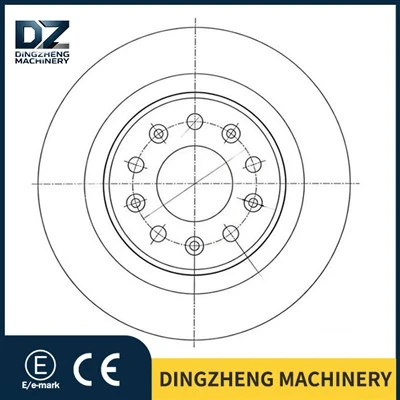
So to wrap this up, let’s make sure we’re all on the same page: a cast iron brake disc is the reliable, workhorse part of your car’s braking system, made from a specific alloy of iron, carbon, and silicon that’s built to handle extreme heat, wear consistently, and last for tens of thousands of miles. It’s not the flashiest part under your hood, but it’s one of the most important. It’s stood the test of 100+ years of automotive innovation, and it’s not going anywhere because it works.
Brake Discs for Toyota If you’re a vehicle owner looking to replace worn brake discs, a mechanic sourcing parts for your shop, or a fleet manager needing reliable, cost-effective braking parts, we’ve got you covered. We specialize in high-quality cast iron brake discs for all types of vehicles – daily drivers, trucks, SUVs, performance cars, even heavy-duty fleets. We test every disc to make sure it meets the standards that keep drivers safe on the road, and we offer competitive pricing without cutting corners on quality. We’re here to help you find the right brake disc for your needs, whether that’s standard grey cast iron for daily use or heavy-duty ductile for tough jobs. If you’re ready to chat about your requirements, get in touch and let’s work out a solution that fits.
References
- Automotive Brake Disc Materials and Performance, Society of Automotive Engineers (SAE) International, 2021
- Cast Iron Properties for Automotive Applications, American Foundry Society, 2022
- Brake System Wear and Maintenance Guidelines, National Highway Traffic Safety Administration (NHTSA), 2020
Laizhou Dingzheng Machinery Co., Ltd.
As one of the most professional automotive brake disc manufacturers and suppliers in China, we’re featured by quality products and good price. Please rest assured to buy cheap automotive brake disc for sale here from our factory. We also accept customized orders.
Address: Luan Jia village, Tushan town, Laizhou city, Shangdong
E-mail: AMY@cndingzheng.com
WebSite: https://www.dingzhengbrake.com/
