Hey there, fellow food product heads and acidulant curious folks! If you’ve ever taken a spoonful of homemade or store-bought jam that tasted just right—tangy, not too cloying, with a bright fruit pop—you’ve got acidulants to thank for that. As an acidulant supplier, I spend a lot of time talking to jam and jelly makers who’re either new to the game or looking to tweak their batch recipes for better flavor, shelf life, or consistency. Today, let’s break down exactly what acidulants go into these spreads, why they matter, and how we (your go-to acidulant crew) fit into the whole picture. Acidulants
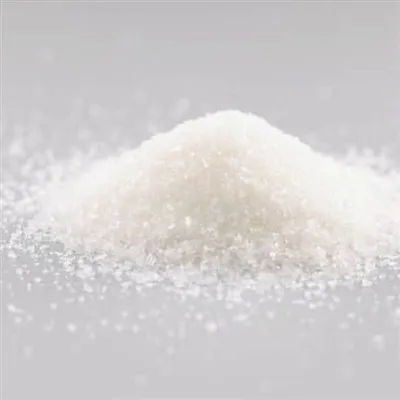
First, let’s keep this real: acidulants aren’t just “add something sour” stuff. For jams and jellies, they do three big jobs: they balance the natural sweetness of fruit (no one wants a jar of fruit-flavored syrup), lower the pH to kill off bad bacteria that cause spoilage, and even help pectin set—you know, that trick where jam goes from runny to spreadable in the jar. Without the right acidulant, a jam might be too sweet, mold in a week, or never set properly.
Now, the most common acidulant in jam and jelly? Lemon juice. I can’t tell you how many times I’ve heard a small-batch jam maker say, “I just squeeze fresh lemons into my berries!” That’s not just a thing—lemon juice is a workhorse here. It’s got a pH around 2, which is perfect for bringing a jam’s pH down to the 3.0 to 3.5 range that’s safe for long shelf life (most jams and jellies hang out at pH 3.2-ish, to be exact). Lemon juice also adds that bright, fruity tang that complements almost any fruit—strawberry, raspberry, even peach. A lot of commercial jam makers use lemon juice too, but sometimes they opt for a more consistent option: citric acid. Wait, why? Fresh lemon juice can vary in acidity depending on the lemon’s ripeness, the season, even where it’s grown. Citric acid is a pure crystalline powder, so it’s way easier to measure for big batches—no guessing how many lemons you need, no extra water from squeezing, just the exact amount of acid you need. It’s also cheaper per unit for large-scale production, which is a win for brands keeping costs down without losing that tart kick.
Next up, cream of tartar. If you’ve ever baked a meringue, you know cream of tartar as a stabilizer, but it’s also a solid acidulant for jellies, especially clear ones like grape or apple jelly. Why cream of tartar? It’s potassium bitartrate, and it’s a milder acid than citric or lemon juice—pH around 3.5. That means it doesn’t overpower the delicate flavor of light fruits, and it actually helps with that jelly set. Pectin, the natural gelling agent in fruit, needs acid to bind sugar molecules together. Too much acid, and pectin breaks down; too little, and the jelly stays runny. Cream of tartar is perfect for fine-tuning that balance. I remember a jelly maker I worked with last year who was struggling with cloudy grape jelly—switched from a mix of lemon and citric acid to a tiny bit of cream of tartar, and their jellies cleared right up. Game changer for their line.
Then there’s malic acid. Most people associate malic acid with apples, and yeah, it’s the acid that gives green apples their tart bite. It’s less common than citric or lemon juice, but it’s popping up a lot in craft jams and fruit spreads these days. Why? It has a slightly softer, fruitier sour than citric acid—think green apple instead of sharp citrus. For jams made with apples, pears, or even stone fruits like plum, malic acid blends really well with the fruit’s own natural acid. A lot of artisanal brands love it because it lets the fruit flavor shine more than a heavy dose of citric might. We’ve been seeing a big uptick in requests for malic acid from small-batch makers who want to stand out from the mass-market jam crowd.
Wait, what about vinegar? Yeah, white distilled vinegar or apple cider vinegar sometimes shows up in jelly recipes, especially for things like pepper jelly or jellies with savory notes. Vinegar is a weaker acid than the others we’ve talked about, but it adds a unique tang that cuts through the heat in pepper jelly, for example. It’s also cheap, which is why it’s popular for home canning or low-cost commercial jellies. But we don’t work with a lot of clients who use vinegar as their main acidulant—usually it’s a secondary add for flavor, not the pH balancer.
Now, let’s talk about the “why this matters for you (the jam maker)” part. I get it, if you’re a small-batch maker, you might be grabbing lemon juice from the grocery store, and that works. But if you’re scaling up, or if you’re having issues with set, shelf life, or flavor consistency, switching to a standardized acidulant is worth it. Let’s be real: we’re acidulant suppliers, but I’m not here to sell you something you don’t need. But I have seen so many people struggle because they don’t get how acid levels interact with pectin and sugar. For example: if you use too little acid, your jam might be sweet but get moldy in a few weeks, because pH is too high for safe storage. Too much acid, and it’s so tart it’s unpalatable, plus pectin breaks down so your jam is runny.
Also, different fruits need different acid levels. Ripe fruits like strawberries are low in natural acid—so you need to add more acid to get that balanced tang and set. Unripe fruits like green apples have more natural acid, so you can get away with less added acid, or a milder one. That’s where we come in—we can help you test your fruit’s natural acid content, figure out exactly how much of which acidulant to add, so your batch turns out the same every time, no matter the season.
Wait, let’s bust a common myth here: some people think artificial acidulants are bad, but most of the acidulants we supply are GRAS (Generally Recognized As Safe) by the FDA, and they’re chemically the same as the acids found naturally in fruit. Citric acid is the same as what’s in lemons, malic acid same as apples, cream of tartar same as in grapes. So they’re not “chemical additives” in the bad sense—they’re just purified, consistent versions of what fruit already has. That’s a big point for brands marketing “natural” spreads, too—you don’t have to hide that you added acid, because it’s the same stuff nature makes.
Let’s talk about a couple of case studies from folks I work with. First, a mid-sized brand that makes strawberry jam: they were using fresh lemon juice, but their batches varied—some were too tart in summer when lemons were ripe, too mild in winter. They switched to citric acid, and within a month, their batch consistency was perfect, they reduced the amount of acid by 15% because it’s more concentrated, and their shelf life went up a week, which saved them on warehousing costs. Another one: a craft jelly maker who makes elderberry jelly. Elderberries are super high in acid, but they wanted a smoother flavor, not so sharp. We suggested a mix of citric acid and a tiny bit of cream of tartar, which mellowed the sourness just right, and their sales went up because people said the elderberry flavor came through more.
Now, if you’re a jam or jelly maker, how do you know which acidulant is right for you? Let’s break it down by scale and product type:
- Small-batch / home canning: Stick with fresh lemon juice for flavor, it’s easy to find and adds a nice brightness. If you want consistent results, a small bag of citric acid is cheap and lasts forever.
- Mass-market commercial: Citric acid is the way to go—cost-effective, consistent, works with almost every fruit. It’s also easy to blend into sugar batches without clumping.
- Craft / artisanal spreads: Malic acid for stone fruit or apple jams, cream of tartar for clear jellies, maybe a touch of lemon juice for extra brightness.
One thing I always tell people: test your pH before you seal your jars. You can get cheap pH test strips at a hardware store or online, and it’ll save you a lot of headache. Aim for 3.0 to 3.5. If it’s higher, add a tiny bit more acidulant (start with a pinch if you’re using powder). If it’s lower, you might need to adjust, but usually that means your fruit is extra tart.
Now, why work with an acidulant supplier instead of a generic food ingredient vendor? We specialize in acids, so we can give you custom blends, help with formulation tweaks, source high-quality, food-grade acidulants that meet all safety standards, and even adjust orders as your production grows. I’ve had clients come to me when they’re testing a new jam flavor and aren’t sure which acidulant will work—we can send sample packs so they can test small batches without committing to a big order. That’s the kind of personal touch you don’t get from a big box supplier.
Wait, let’s address a common pain point: a lot of small makers don’t order acidulants because they think you have to buy big quantities, but we offer flexible minimums for craft brands—no need to stock 50 pounds of citric acid if you’re making 100 jars a month. We get it, cash flow is tight when you’re starting out, so we make it easy to get the amount you need when you need it.
Also, if you’re working on a new product line—like a low-sugar jam—acidulants are even more important here. Low-sugar jams have less sugar to act as a preservative, so pH has to be spot-on to keep them safe. Acidulants help with that, plus they balance the lower sugar’s sweetness, so the jam isn’t cloying. We’ve helped a couple of clients develop low-sugar spreads by adjusting the acid blend, and the feedback has been amazing—people say they taste just like regular jam, but not too sweet.
Let’s wrap this up. At the end of the day, acidulants are the unsung heroes of jam and jelly. They’re not just for sourness—they’re for flavor balance, shelf life, and that perfect spreadable texture. Whether you’re a small-batch maker using fresh lemon juice or a big brand looking for consistent citric acid, getting the right acidulant for your product makes all the difference.
If you’re tired of inconsistent batches, struggling with set issues, or just want to tweak your formula to make your spreads stand out, let’s chat. We can help you figure out the right acidulant, send samples, and work with your budget and production scale. No jargon, no pressure—just real advice from folks who know acidulants inside and out.
Sodium Benzoate References:
- Fennema, O. R. (1996). Food Chemistry (3rd ed.). Marcel Dekker, Inc.
- U.S. Food and Drug Administration. (2022). GRAS Notices for Acid Food Substances.
- Institute of Food Technologists. (2019). Acidulants in Food Products: Functionality and Applications.
- Camire, M. E., & Caudill, M. A. (2005). Pectin Chemistry and Applications in Fruit Products. Journal of Food Science.
Fudijia (Tianjin) Supply Chain Co., Ltd.
With abundant experience, we re one of the most professional acidulants manufacturers and suppliers in China. We warmly welcome you to wholesale bulk high quality acidulants made in China here from our factory. For more information, contact us now.
Address: Room 1602, MSD-G1, TEDA , Binhai New Area, Tianjin, China, 300457
E-mail: foodchem@hjlfoods.com
WebSite: https://www.ifoodchem.com/
