If you’ve ever worked with custom patches or looked for durable branding solutions, you’ve probably wondered: can flat patches be applied to vinyl? As a flat embroidery patch supplier who’s spent years testing, tweaking, and guiding clients through this exact question, the short answer is yes—but it’s not as simple as ironing a patch onto a cotton hoodie. Vinyl is a tricky fabric; it’s smooth, heat-sensitive, and prone to stretching, so the method you use will make all the difference between a patch that stays put for years and one that peels off after a single wash. Flat Embroidery Patch
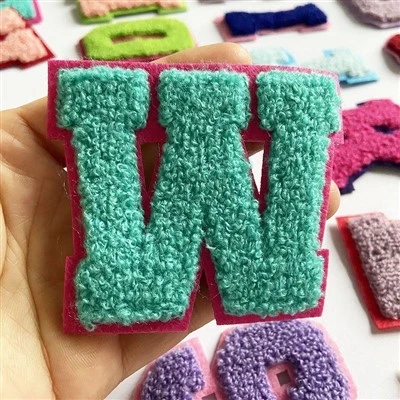
Let’s start with the basics of what makes vinyl different from other patch-friendly fabrics. Most vinyl used in apparel, bags, gear, and even accessories is either PVC (polyvinyl chloride) or PU (polyurethane), both of which are thermoplastics. That means they soften when heated and harden back when cooled, but unlike cotton or polyester, they can melt, shrink, or discolor if exposed to too much heat, too long, or the wrong kind of adhesive. Flat embroidery patches, by contrast, are stitched tightly with polyester or rayon thread onto a stabilizer, with a backing that can vary: heat-seal adhesive, iron-on glue, Velcro loops, or sew-through fabric. The key is matching the patch’s backing and application method to the specific vinyl you’re working with.
First, let’s break down which flat patches work best on vinyl, and which you should skip. Sew-through flat patches—those with a fabric backing that matches the patch’s thread color and has no adhesive—are a great bet for heavy-use items like motorcycle jackets, cooler liners, or work gear. Sewing the patch directly to vinyl might sound intimidating, but because vinyl doesn’t fray, you don’t have to worry about neat raw edges once the thread is secure. For this method, you’ll need a sharp needle designed for heavy fabrics (a size 90/14 or 100/16 universal or leather needle works well) and strong polyester thread, which has the flexibility to move with vinyl’s slight stretching without snapping. I’ve supplied thousands of sew-through patches for custom team jackets, and 9 times out of 10, clients choose this for longevity—even if it adds a little extra time to the application process.
On the other end, iron-on adhesive-backed flat patches can work, but they’re not ideal for every type of vinyl. Low-quality iron-on glue that’s not formulated for thermoplastics will either not stick at all or leave a gummy residue when you try to remove it later. That’s why as a supplier, I always recommend heat-seal adhesive-backed flat patches for vinyl applications. Heat-seal adhesive is a special glue that activates at a specific temperature (usually between 275°F and 300°F) and bonds permanently to thermoplastics without melting the vinyl. It’s the same adhesive used for heat transfer vinyl (HTV) patches, which is why so many custom gear brands rely on it. The catch here is that you have to test the temperature on a scrap of the same vinyl first—some thin, flexible PU vinyl can start to shrink at 280°F, so you might need to lower the heat a little and apply firm, even pressure for 10 to 15 seconds instead of the standard 20.
A common mistake I see people make is using a regular household iron for heat-seal patches. Most irons don’t have precise temperature control, and the soleplate can leave uneven pressure, leading to edges that lift. For this, I always suggest a heat press—even a small, portable one meant for craft projects. It lets you set exact time and temperature, and the even pressure ensures the adhesive bonds evenly across the entire back of the patch, not just the middle. If a heat press isn’t an option, a heavy towel and a stack of books can work, but it’s hit or miss. I once had a small biz owner order 50 patches for her vinyl tote bags and try to iron them on at home; half the edges peeled off after the first trip to the grocery store, and she ended up reordering and using a heat press for the rest. That’s the kind of preventable mistake I love to help clients avoid when they work directly with us.
Now, what about specific types of vinyl and how they hold up with flat patches? Let’s talk about apparel vinyl first: the kind used for jackets, vests, or activewear. This is usually thin, flexible PU vinyl designed to stretch, so you need a patch that can move with it too. Heat-seal patches with a flexible backing work best here, because rigid backings can crack if the vinyl stretches during movement. For gear vinyl, like the thick PVC used for tool bags, cooler exteriors, or rain ponchos, you have a little more leeway. Sew-through patches work perfectly here, since the heavy vinyl doesn’t stretch much, and the sewing adds extra hold against scratches or rough handling.
There’s one vinyl type that you have to be extra careful with: faux leather, which is often used for designer bags, phone cases, and shoes. A lot of people confuse faux leather with vinyl, but it’s a bit different—it has a slightly porous top layer that can absorb too much heat, leading to discoloration or bubbling if you use a heat-seal patch. For faux leather, my go-to recommendation is sew-through flat patches, or Velcro-backed patches, which let you attach and remove them without any heat at all. I recently supplied a batch of custom patch sets for a leather goods brand that sells phone cases; they went with Velcro, and customers love being able to swap out patches to match their phone color or outfit.
Another question we get all the time: can you wash items with flat patches applied to vinyl? The answer is yes, but only if the patch is applied correctly. Iron-on backed patches (not heat-seal) will wash off after a few cycles, even if you use cold water. Heat-seal and sew-through patches, though, can hold up for 50+ washes if you turn the item inside out, use a gentle cycle, and avoid harsh bleach or fabric softener. For heavy-duty items like motorcycle jackets, we often supply patches reinforced with a line of topstitching around the edges, which adds an extra layer of hold against repeated washing and wear.
I should also mention what not to do. Don’t try to apply a flat patch to vinyl that’s dirty or has a protective coating. Vinyl often comes with a thin wax or plastic coating to prevent it from sticking during manufacturing, and that will keep the adhesive from bonding. Wipe the area with rubbing alcohol and a lint-free cloth before applying, and let it dry completely—this is a small step, but it’s the difference between a patch that stays and one that falls off. Also, don’t apply patches to vinyl that’s stretched or wrinkled; the heat and pressure won’t bond evenly, and the patch will peel as the vinyl returns to its original shape.
As a flat embroidery patch supplier, our job isn’t just to send you patches—it’s to help you figure out the best way to apply them to whatever material you’re working with. We’ve tested dozens of patch backings and vinyl types over the years, and we can tell you from experience that heat-seal is the most popular for vinyl apparel, sew-through for gear, and Velcro for items where flexibility is key. We also offer custom testing for bulk orders: if you’re ordering 1,000 patches for a custom team line or retail collection, we can send you sample patches and application guides tailored to your specific vinyl, so you don’t waste time or money on trial and error.
Whether you’re a small boutique owner looking to brand your line, a team manager outfitting your squad, or a gear maker wanting to add a custom touch to your products, flat patches are a durable, versatile option for vinyl—if you do it right. The key is choosing the right patch type, testing your method on scrap vinyl first, and taking the time to apply it correctly. If you’re ready to order flat patches for your vinyl projects, or just have questions about what will work best for your specific needs, reach out to our team to discuss your requirements. We’re here to help you get it right, every time.
Printing Patch When sourcing flat patches for vinyl applications, it’s always smart to rely on materials tested for compatibility. For further reading on thermoplastic adhesion and embroidery patch durability, reference guides from the Specialty Graphic Imaging Association (SGIA) and textile adhesive research published in the Journal of Engineered Fibers and Fabrics can provide additional technical insight. For heat application best practices, OSHA guidelines for heat press safety and manufacturer specifications for common vinyl materials are also valuable resources.
Yiwu Lanying Garment Accessories Co., Ltd.
As one of the most professional flat embroidery patch manufacturers and suppliers in China, we’re featured by quality products and good service. Please rest assured to wholesale premium flat embroidery patch at competitive price from our factory. Customized orders are welcome.
Address: F1,NO.448, Majiaotang Village, Houzhai Street, Yiwu City, Zhejiang Province, China 322000
E-mail: zhangchunyingzi@126.com
WebSite: https://www.embroideredpatchfactory.com/
