Let me hit you with the truth right off the bat—if you’ve ever stared at a scrap of pine or a beat-up vintage bookshelf, wondering if that tube of gouache you’ve got kicking around can pull double duty on wood, you’re not alone. I’m Lila, and I run a small gouache paint supply shop (no fancy corporate name, just a group of nerds who live and breathe matte, chalky color that doesn’t fade the second it dries). Every single week, I get a DM or an email from a maker: “Can I paint my wooden planter with gouache?” “Will it work on my old guitar’s neck?” “Do I need to sand it until it’s smooth enough to see my reflection?” So let’s cut through the hype, get real about the science, and stop with the “just trust me” art bro stuff. This is the no-BS breakdown of whether gouache and wood get along. Gouache Paint

First, let’s start with what gouache actually is, because half the confusion comes from people mixing it up with watercolors or acrylics. Gouache is water-based, right? But it’s got way more pigment and a tiny binder (usually something like gum arabic or dextrin, a plant-based sticky stuff) that makes it opaque—unlike translucent watercolors. It dries matte, has that velvety chalky finish, and when you add water, it reactivates perfectly, which is why so many illustrators and concept artists love it. But here’s the thing: all that water-based base makes wood the wild card here, not the paint itself. Wood is porous, it absorbs moisture, it’s hygroscopic (it sucks in and releases water depending on humidity), and it swells and shifts if it gets too wet or dry. If you don’t prep wood right, gouache isn’t going to stick—plain and simple. I’ve seen a customer paint a wooden birdhouse last month, no sanding, no sealant, and the next time it rained, whole chunks of paint peeled off like sunburnt skin. Don’t be that person.
Now, let’s get into the good stuff: when gouache works on wood, and when it doesn’t. Let’s start with the no-brainer wins. If your wood is a surface that’s either indoor-only, or it’s going to be sealed immediately, or it’s a decorative piece that never touches water—gouache is actually killer. Think: a floating shelf for your living room, a wooden jewelry box, a small art panel made from pine planks you picked up at the hardware store, a custom sign for your bedroom wall. I had a regular customer last year who paints wooden record crates for resale, and she swears by our matte gouache for the front graphics. She sands the crates super lightly, wipes them down, and uses two thin coats of our non-toxic gouache, then sprays a clear matte sealant on top. They’ve lasted for over a year, no peeling, no chipping, even when people stack their vinyl on top of them. Why? Because gouache adheres way better to porous wood than, say, spray paint, and it doesn’t have that plastic-y sheen that makes cheap spray paint look cheesy. Plus, you can layer it, blend it, scratch off mistakes with a wet paper towel before it fully dries—perfect for making custom designs that feel handcrafted, not mass-produced.
But wait, what if you want to paint something outdoor? Or a cutting board? Or a wooden toy that’s going to get chewed by a toddler? Let’s be real: gouache alone isn’t going to hold up to that. Water is enemy number one here. If you leave a gouache-painted wooden bench out in the rain, the water will soak into the wood, break down the binder in the gouache, and the paint will lift. Same with a cutting board—you’re scrubbing it with soap and water every day, that’s just too much moisture. I’m not going to lie to you and say you can use gouache for a kid’s teether. But here’s the hack: if you seal it properly, it can work. That’s the key here. Most people skip the prep and the sealant, and that’s where everything goes wrong. Let’s talk about the steps, because I’ve tested this so many times in my studio, I’ve got a shelf full of failed test pieces.
First, prep is non-negotiable. You can’t just grab a piece of unfinished wood and start slathering paint on it. Here’s my go-to process for any wood-gouache project, and I’ve refined it over 5 years of selling paint and testing stupid stuff (ask me about the time I painted a wooden spoon and tried to use it for soup—still find little flecks of paint in my oatmeal sometimes):
-
Sand the wood: Use 220-grit sandpaper, not too rough, not too fine. You just want to take off the shiny factory finish, make it slightly rough so the paint has something to grip, and smooth out any splinters. If the wood is already stained or painted old, you’ll want to strip it first with a citrus-based stripper, no harsh chemicals that will mess with the paint. Wipe down the wood with a dry rag first, then a slightly damp one, let it dry COMPLETELY. I’m talking 24 hours, not 10 minutes. Wood holds moisture way longer than you think.
-
Prime it: This is the step most people skip, and it’s the difference between paint that stays and paint that flakes off. What kind of primer? A white acrylic gesso, matte, non-toxic. Not oil-based gesso, that’s for oil paints. Gesso fills in the tiny pores in the wood, so the gouache doesn’t get absorbed unevenly, and it acts as a barrier between the wood’s moisture and the paint. I recommend two thin coats of gesso, letting each coat dry fully (again, at least 2 hours, or overnight if your studio is humid). Sand lightly between coats with 320-grit sandpaper to get a super smooth surface—your paint will look way richer if it’s not bumpy.
-
Paint with gouache: Now’s the fun part. Use good quality gouache—cheap craft store gouache has fillers that make it flake, trust me. Our line has pure pigment, gum arabic binder, no weird fillers, so it sticks way better. I like to use thin layers first, building up color gradually, rather than one thick coat. Thicker coats take longer to dry, and they’re way more likely to crack if the wood shifts. If you make a mistake, just wipe it off with a damp paper towel before it dries—gouache reactivates super easily, which is why it’s so great for corrections. But once it’s dry, it’s permanent, so don’t go scrubbing it after it’s set.
-
Seal it: This is make or break for any project that sees even a little moisture or wear. For indoor decorative pieces: a matte acrylic sealer works fine, just a couple thin coats, no glossy sheen to kill the gouache’s vibe. For outdoor pieces or anything that might get wet: use a polyurethane sealant, water-based is better because it’s less toxic and won’t yellow over time. If it’s a table or something that will get touched a lot, add an extra coat of sealant for durability.
Wait, but let’s address the elephant in the room: what about the wood’s natural oils? If you’re using a piece of wood like teak or cedar, which has lots of natural oils, that can prevent paint from sticking. So if you’re working with oily wood, you’ll want to wipe it down with rubbing alcohol first to get rid of surface oils, before you sand and prime. I learned that the hard way when I painted a teak cutting board for my mom last year—no alcohol, the paint peeled off in a week. Oops.
Now, let’s talk about some real project ideas that work perfectly with gouache on wood, because I’ve helped customers pull these off over and over:
-
Custom wooden planters: Paint the sides of a cedar planter with floral designs, seal it with outdoor polyurethane. The paint won’t get ruined by watering plants, and it looks way more unique than a plain plastic planter. Just make sure you don’t get sealant on the inside of the planter where the soil goes, that can mess with plants.
-
Vintage wooden frames: Sand down a thrifted frame, prime it, paint it with fun patterns or pastel colors, seal with matte sealer. Way cheaper than buying a new fancy frame, and you can match it to your decor exactly.
-
Wooden signage: For wedding signs or bedroom wall art, paint on unfinished pine planks, seal with matte sealer. The matte gouache finish looks way more natural than glossy acrylic, perfect for that rustic, handmade vibe.
-
Kids’ decorative wooden toys (not ones that go in mouths): Paint wooden blocks or puzzle pieces, seal with non-toxic matte sealer. Just make sure it’s not a teething toy, because even sealed, we don’t recommend chewing on paint.
Now, what about things you shouldn’t do with gouache on wood? Don’t use it for cutting boards, don’t use it for utensils, don’t leave it unpainted outdoor long-term, don’t skip the prep and sealant. I’ve had customers DM me panicking because their painted birdhouse started peeling—they forgot sealant. That’s not gouache’s fault, that’s their fault for skipping a key step.
Let me also clear up some common misconceptions. A lot of people think “gouache is just watercolor with more pigment, so it won’t work on wood.” No, that’s not true—watercolor is transparent, has less binder, so it will absorb into wood and look washed out. Gouache is opaque, more binder, so it sticks way better. Another myth: “acrylic is the only paint that works on wood.” Sure, acrylic is durable, but it has that plastic-y finish that can look out of place on a rustic wood project. Gouache gives you that soft, chalky, non-plastic look that’s perfect for handcrafted work. And it’s way easier to work with if you make mistakes—acrylic dries fast and is hard to fix, gouache you can wipe off with water.
Wait, also, what about unfinished vs. pre-stained wood? If you’re working with pre-stained wood, make sure the stain is fully cured—like 2-4 weeks cured—before you paint. Fresh stain has lots of oils and moisture that will mess with adhesion. And if you want to paint over stained wood, you’ll need a bonding primer, not just regular gesso. That’s another tip I learned from a customer who painted a stained dresser—regular gesso didn’t stick, bonding primer did the trick.
Let’s wrap this up with what I’d say to a beginner who’s just trying their first wood-gouache project. Start small. Don’t commit to painting a whole deck on your first try. Grab a cheap pine plank, a test tube of gouache, gesso, and matte sealer, and test it out. Sand, prime, paint, seal, let it dry for a full day, then run it under the sink (gently) to see if it holds. That way you don’t waste good supplies. And if it doesn’t work the first time, don’t stress—every maker has failed a dozen projects before they get it right. I once ruined 3 wooden coasters before I figured out how much sealant to use.
If you’re reading this and you’ve got a big project coming up—whether it’s a custom sign, a set of wooden crates, or a decorative piece for your home—don’t hesitate to reach out. We’ve got a whole line of gouache specially formulated for porous surfaces like wood, plus free pre-project guides for all our customers. We know how frustrating it is when paint doesn’t stick, or looks bad, so we’re here to help you get it right. Hit us up to chat through your project, grab supplies, and make something that actually looks good and lasts.
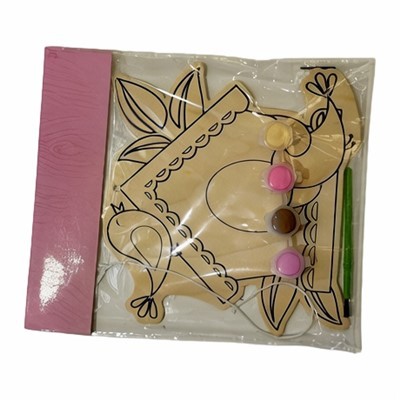
Oh, and one last thing: don’t listen to anyone who says gouache can’t do this. I’ve seen it happen, I’ve tested it, and it works. You just have to prep the wood right, prime it, seal it, and use good paint. It’s not magic, but it’s way better than you’d think. Stop overcomplicating it, grab some paint, and go make something cool.
Painting Pigments References:
- “Gouache Paint: Properties and Applications” – The Art Materials Handbook, 2022
- “Adhesion of Water-Based Paints to Porous Wood Surfaces” – Journal of Coatings Technology and Research, Vol. 18, No. 3, 2021
- “Prepping and Sealing Wood for Artistic Painted Finishes” – Handmade Home Workshop Guide, 2023
- “A Beginner’s Guide to Gouache on Substrates Beyond Paper” – Artist’s Network Magazine, 2022
Zhejiang Lanxi Haotian Stationery Co., Ltd.
Address: No. 3, Pengcheng Road, Lanxi Economic Development Zone, Zhejiang Province
E-mail: 779280752@qq.com
WebSite: https://www.cnhtstationery.com/
