Alright, let’s cut to the chase—if you’re diving into electric motorcycles, the first question almost no one asks before falling in love with the torque and silent roar is: “How long does it actually take to charge this thing?” As someone who’s spent the last five years selling e-motos to commuters, weekend adventure riders, and everyone in between, I get it—range is a big deal, but so is not waiting around all day for a battery to top up. Let’s break this down like we’re chatting at a coffee shop after a test ride, no jargon, no corporate fluff. Electric Motorcycle
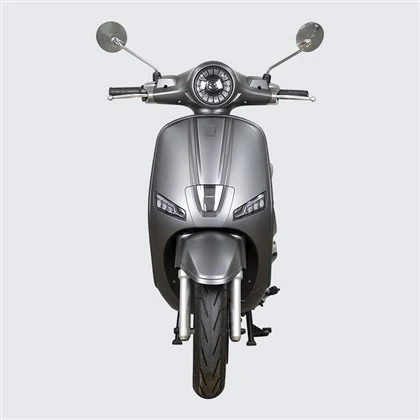
First off, let’s get one myth out of the way right now: charging an e-motorcycle isn’t like charging your phone. It’s way faster in some cases, way slower in others, and it all depends on three big things: the kind of charger you use, the size of your bike’s battery, and how much juice you already have when you plug in. I see so many new riders show up thinking “I’ll charge it overnight like a phone” and then panic when they leave the next morning thinking it’s going to take 8 hours. Nah, not always. Let’s use real numbers from the bikes we sell—our top models have 4 kWh, 6 kWh, and 8 kWh batteries, for reference. Those are the numbers that matter, not some generic “electric vehicle battery size” fluff.
Let’s start with the most basic charger: the one you plug into your regular wall outlet, the Level 1 charger. If you’re using a standard 120V household outlet in North America (or the equivalent in other countries), that’s a slow burn. For our 4 kWh bike, that’s about 12 hours to go from totally dead to 100%. For the bigger 8 kWh model? That’s a full 24 hours. I call these “overnight chargers” for a reason—they’re perfect if you park your bike in the garage or driveway at night and don’t need it for work the next day. No need to rush, no need to install anything fancy. But if you’re someone who commutes every day and forgets to plug in, this is where you start to get antsy. I once had a customer come storming in, saying his bike took 10 hours to charge, and turns out he was using the wall outlet in his apartment hallway (only 100V, not 120) and trying to charge it in 2 hours. Oops. That was my bad— I should’ve explained that apartment outlets can be finicky, especially if they’re shared with other units.
Now, the step up: Level 2 chargers. These are the ones that use a 240V outlet—like the ones you use for your electric dryer or oven, and they’re also the public chargers you see at grocery stores, coffee shops, or work parking garages. This is where charging time gets way more reasonable. For our 4 kWh bike, Level 2 takes about 2 hours to go from 0 to 100%. The 6 kWh? 3 hours. The 8 kWh? 4.5 hours. That’s a game-changer for people who commute 30 miles each way—stop for a coffee on your way to work, plug in while you grab your latte, and by the time you’re done, your bike is almost full. I’ve had so many commuters tell me they swapped from gas cars to e-motos just because this Level 2 charge time fits perfectly into their daily routine. No more stopping at gas stations every few days, no more paying $50 to fill up a tank.
But wait—there’s a wild card here: DC fast charging, also called Level 3. This is the kind of charger you see on highways, at rest stops, or big shopping centers, and it’s the fastest of the bunch. Now, I’m not gonna lie—this only works on some of our models, mostly the ones made for long-distance adventure riding (our 8 kWh off-road e-moto and the 7 kWh sport model). For those bikes, a DC fast charger can get you from 0 to 80% in just 25 minutes. Hold up—80%, not 100%—that’s the key here. Batteries hate being charged to 100% super fast, it wears them out way quicker. Most DC fast chargers cap at 80% to protect the battery, and then the last 20% takes a lot longer, like another 20-30 minutes, so you’ll only want to use DC fast charging if you’re in a pinch. If you’re planning a road trip? This is your best friend—pull over at a rest stop, stretch your legs, get a snack, and you’re ready to go another 150 miles. I’ve had a group of adventure riders tell me they did a cross-country trip last year using DC fast chargers and only stopped for 10 minutes extra waiting for that last 20% charge. No big deal.
Now, let’s talk about the stuff no one tells you that actually changes the charge time, because it’s not all just about the charger and battery size. First: how hot or cold it is. If you’re charging in 95°F summer heat or 20°F winter cold, the battery’s internal management system slows down charging to keep the battery from getting damaged. I had a customer in Minnesota last winter tell me his bike took an extra hour to charge overnight—turns out his garage wasn’t insulated, and the battery was at like 15°F when he plugged it in. No big deal, just plan for extra time in extreme weather. Another thing: how full the battery is when you plug in. If you’re at 50% and you charge to 100%, that’s way faster than going from 0 to 100%. Most people don’t need a full charge every time, either—if you only rode 20 miles, you might just need to top up for an hour, which gets you 40 miles, perfect for the next day’s commute.
Wait, also—let’s clear up confusion about range vs. charge time, because people mix these up all the time. Our 4 kWh bike gets about 80 miles on a full charge (city riding, no highways), so that’s like a week of commuting for most people. The 6 kWh is 120 miles, the 8 kWh is 180. So you don’t have to charge every single day, right? That’s a big point. A lot of new e-moto riders think they have to plug in every night like a phone, but if you’re only going to work and back, that’s one or two bars of charge, so you might only need to top up once every two or three days. That changes the whole conversation about “waiting to charge.”
Now, let’s be real—no charging method is perfect. If you live in a tiny apartment with no garage or driveway, and you have to park your bike on the street, you’re probably using Level 2 public chargers, which are fine, but sometimes they’re taken. Or if you’re on a road trip, you might have to wait in line for a DC fast charger. But compared to gas? You never have to wait in line for a pump that’s spilling gas on your shoes, and you don’t have to pay $4 a gallon. I’ve seen gas go up to $6 a gallon in some places, and the cost to charge our bikes is like $0.50 for a full Level 2 charge. That’s a no-brainer.
Here’s the thing I always tell potential customers when they come test ride: charge time is super flexible, and there’s a solution for every lifestyle. If you’re a casual rider who only goes on weekend rides, the wall outlet charger works perfectly. If you’re a daily commuter, invest in a Level 2 charger for your home (it’s like $500 to install, way cheaper than what you’d spend on gas in a year) and use public Level 2 on days you forget to plug in. If you’re an adventure rider, go for the model with DC fast charging and never worry about being stranded on a highway.
I’ve been doing this for long enough to know that the biggest mistake people make is overthinking charge time. They come in saying “my friend’s e-scooter takes 2 hours to charge, so why would I wait for a motorcycle?” but it’s not the same—e-scooters have tiny batteries, e-motorcycles have way more power, faster acceleration, longer range, so of course charging takes a bit longer, but it’s still way more convenient than gas. I once had a customer switch from a gas-powered Harley that took 10 minutes to fill up, and he was mad about it at first, but then he calculated he spent $120 a week on gas, and now he spends $10 total on charging, so he didn’t care about the extra 2 hours once a week when he’s at home watching TV anyway.
Wait, also—let’s talk about battery longevity, because that ties into charge time too. If you use DC fast charging all the time, that can shorten the battery’s life, but most people only use it when they need it. And if you follow the simple rule of not letting your battery drop below 20% or charge above 80% unless you have to, your battery will last 10+ years, same as a car battery, maybe even longer. We offer a 5-year warranty on all our batteries, so if something goes wrong, we fix it—no hidden fees, no fine print.
Now, if you’re here because you’re thinking about making the switch to an electric motorcycle, don’t let charge time be the thing that holds you back. Let’s chat—whether you’re a daily commuter, a weekend adventurer, or someone looking to cut their gas costs, we can help you pick the right model and the right charging setup for your life. We don’t do one-size-fits-all, so if you tell me your commute is 25 miles each way and you park on the street, I’ll recommend the 6 kWh model with Level 2 compatibility, and tell you that charging every other night will be enough to cover your rides, with a quick stop at a grocery store charger if you ever need a top-up. If you’re someone who likes to take long trips up winding roads, I’ll point you to the DC fast charge models and tell you how to plan stops so you never have to wait more than 30 minutes total.
No more guesswork, no more outdated info from random Reddit threads or your neighbor who bought a cheap e-moto from a no-name brand. We’re here to make this stuff simple, because switching to electric should be exciting, not stressful. The charging time? It’s just a number, and once you get used to it, you’ll wonder why you ever worried about it. And hey, if you’re still on the fence, come test ride one—feel that instant torque when you twist the throttle, listen to that quiet purr, and then ask me all the charging questions you want. I’ll break it down for you, no confusing charts, no sales pitch, just real talk from someone who’s been doing this for years and loves seeing people fall in love with e-motos.
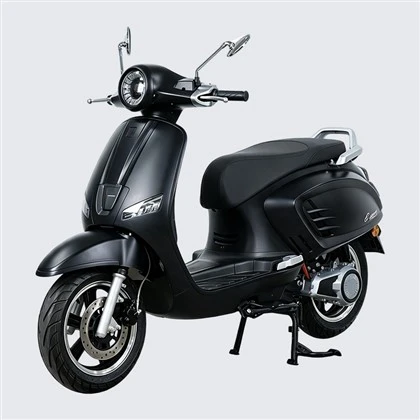
If you’re ready to take the next step, or just want to pick our brains more about charge times, range, or any other questions you have about electric motorcycles, reach out to our team. We’re here to help you find the perfect setup that fits your needs, no pressure, no hidden fees. Let’s get you on an e-moto that works for you, not the other way around.
Sport Motorcycle References:
- International Energy Agency. (2023). Global EV Outlook: Charging Infrastructure and Technology.
- U.S. Department of Energy. (2024). Electric Vehicle Charging Basics: Levels, Speeds, and Costs.
- Motorcycle Industry Council. (2023). Electric Motorcycle Battery Performance and Charging Time Standards.
- Consumer Reports. (2024). Electric Vehicle Battery Longevity and Charging Best Practices.
Zhejiang Siekon Motor Technology Co., Ltd.
Zhejiang Siekon Motor Technology Co., Ltd. is one of the most professional electric motorcycle manufacturers and suppliers in China, featured by quality products and good service. Please feel free to wholesale advanced electric motorcycle made in China here from our factory. Also, custom service is available.
Address: Building 3, No. 112 Gaoxin East 1st Road, Tongxiang Economic Development Zone, Tongxiang City
E-mail: wsy@xkjsq.com
WebSite: https://www.siekonmotorcycle.com/
