If you’ve ever walked the aisles of a grocery store, a pharmaceutical warehouse, or a hardware retailer, chances are you’ve seen shrink-wrapped pallets of goods, individual bottles bundled for promotion, or sealed boxes protecting fragile items during shipping. As a shrink packaging machine supplier, I get asked this question more often than any other these days: “Are shrink packaging machines actually environmentally friendly?” It’s a fair question—consumer demand for sustainable packaging has skyrocketed in the last five years, and shrink wrap, often dismissed as “single-use plastic,” is often the first thing people point to when talking about packaging waste. But as someone who’s spent a decade designing, building, and supporting shrink packaging systems for businesses of all sizes, I can tell you the answer isn’t a simple yes or no. It depends on how you use the machine, what material you pair it with, and how you manage the end-of-life of the packaging. Shrink Packaging Machines
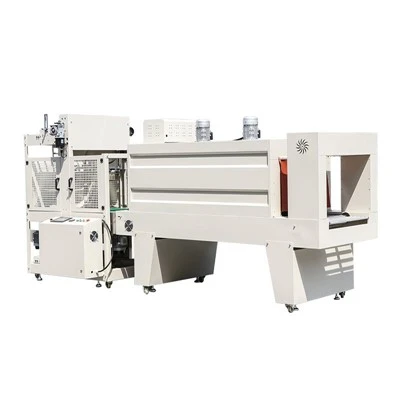
First, let’s demystify how shrink packaging works, because that’s foundational to understanding its environmental impact. A shrink packaging machine doesn’t just stick plastic around a product—it uses heat to conform a thin, flexible plastic film tightly to the shape of the item, creating a secure, tamper-evident seal. The process starts with a roll of film, which is fed through the machine, cut to size, and then heated (usually with hot air, infrared radiation, or a combination) to shrink it to fit. The result is lightweight, extremely durable packaging that serves multiple critical purposes: it protects products from dust, moisture, and physical damage during storage and transit; prevents theft or tampering; and even reduces logistics costs because shrink-wrapped loads are more stable, meaning you can fit more pallets on a truck and cut down on shipping emissions. That last part is often overlooked when people talk about shrink wrap’s environmental footprint, but it’s a huge factor—one load of shrink-wrapped goods might replace two or more non-shrink-wrapped shipments, cutting fuel use and carbon emissions by nearly half.
But let’s be clear: the plastic itself is still a concern. Traditional shrink wrap is made from polyethylene (PE), a type of plastic that takes hundreds of years to decompose, and it’s often not recyclable in standard curbside programs because it’s thin and can get tangled in recycling equipment. That’s why over the last seven years, my team and I have worked closely with material scientists and packaging engineers to develop shrink packaging machines that are compatible with more sustainable films. Biodegradable shrink films, made from plant-based materials like cornstarch or sugarcane, break down in commercial compost facilities in as little as 180 days—way faster than PE. There’s also recyclable shrink wrap, now manufactured with resin that’s thin enough to shrink well, but thick enough to be accepted by most municipal recycling programs when sorted correctly. The key here is that the machine isn’t inherently “green” or “bad”—it’s a tool, and the decisions businesses make about what film to run through it determine most of its environmental impact.
We also have to compare shrink packaging to the alternatives, because that’s the only way to judge its true sustainability. Take bundling, for example: many small businesses use cardboard boxes or rubber bands to group products together. Cardboard has its own issues—each box is heavy, requires more material per bundle, and if it gets wet during shipping, it becomes useless. Rubber bands, while recyclable, often end up in landfills because people don’t sort them properly, and they stretch out over time, meaning businesses have to replace them frequently. For pallets, stretch wrap (a different type of plastic film used to secure loads) is another common alternative, but it’s much thicker than shrink wrap, so it uses far more material per pallet and is less effective at load stability. A 2022 study by the Sustainable Packaging Coalition found that shrink-wrapped pallets generate 30% less plastic waste than stretch-wrapped pallets, and reduce transportation-related emissions by 25% because the lighter load means fewer trucks are needed. That’s a real, data-backed difference that many customers don’t know about when they’re weighing their options.
Of course, there are scenarios where shrink packaging machines don’t live up to sustainability standards. For one, using a machine that’s outdated and inefficient can waste a lot of film. Older shrink machines often use too much heat, which causes excess film to shrink unevenly or tear, leading to scraps that get thrown away instead of recycled. They also don’t have precise film feeding systems, so businesses might use 10% to 15% more film than they actually need for each package. On the flip side, modern shrink packaging machines have heat regulation technology, automated film cutters, and sensors that adjust the amount of film based on the size of the product—cutting film waste by up to 20% compared to older models. That’s a big win: less waste from the machine means less material that ends up in landfills, regardless of what type of film you’re using.
Another common issue is improper end-of-life management. Even the most sustainable shrink wrap is useless if it’s not disposed of or recycled correctly. I’ve seen businesses that invest in biodegradable shrink films, but then throw them in the trash anyway, because they don’t have access to a commercial compost facility. Or they use recyclable shrink wrap, but mix it with regular plastic or food waste, so it gets rejected by recycling programs. That’s why as a supplier, we don’t just sell machines—we help our customers develop packaging programs that consider the entire lifecycle, not just the machine itself. We’ll work with a small craft brewery that’s using shrink wrap to bundle six-packs of beer to switch to a recyclable PE film, then connect them with local recycling facilities that accept thin plastics. For a pharmaceutical company that needs tamper-evident packaging, we’ll help them source a biodegradable film that meets FDA standards for medical products, and show them how to set up a process to collect used film from their distribution centers for composting.
I also want to address a myth I hear all the time: that shrink packaging machines are only for large corporations. Nothing could be further from the truth. We’ve built small, tabletop shrink packaging machines that are perfect for a bakery packaging individual cookie trays, a jewelry brand bundling sets of earrings, or a hardware store packaging small tools. These machines use less energy than a standard household oven, and they’re designed to run on smaller rolls of film, so even small businesses can use sustainable materials without a huge investment. I recently worked with a family-owned specialty food shop that switched from using cardboard boxes to bundle their jams and sauces to a biodegradable shrink film, using a compact shrink machine we supplied. They cut their packaging waste by 40% in the first six months, and their customers loved that their products’ packaging was compostable—so much so that they increased sales of their bundled sets by 18%. That’s the kind of real, tangible impact that makes shrink packaging a viable sustainable option for small businesses too.
Of course, there’s still work to be done. The biggest challenge right now is improving the recyclability of shrink wrap for residential curbside programs. Many municipalities still don’t accept thin plastics, including shrink wrap, because the equipment at recycling centers can’t process them without breaking. But there are innovations on the horizon: new types of shrink wrap made from 100% post-consumer recycled plastic, and collaboration between packaging manufacturers and recycling facilities to develop systems to sort and process thin plastics. As a shrink packaging machine supplier, we’re investing in machines that can handle these new materials, and we’re partnering with industry groups to advocate for better recycling infrastructure. It’s not a quick fix, but it’s one that’s well within reach in the next few years.
Another consideration is energy use. Shrink packaging machines do require energy to heat the film, but modern models are far more efficient than older ones. A 2021 study by the Packaging Machinery Manufacturers Association found that energy-efficient shrink packaging machines use 50% less electricity than models made before 2015, because they use infrared heating instead of hot air, which is less wasteful. For a business that runs a shrink machine 8 hours a day, that adds up to hundreds of dollars in energy savings each year, while also reducing their carbon footprint. That’s a win-win: sustainable practices can also save businesses money, which is a key point that’s often lost in the conversation about sustainability.
I’ll be honest with you: I don’t think shrink packaging machines are inherently environmentally friendly. Like any technology, their impact depends on how they’re used. If you’re running an outdated machine that wastes film, using traditional PE wrap and throwing it in the trash, then shrink packaging is far from sustainable. But if you invest in a modern, efficient machine, pair it with a recyclable or biodegradable film, and have a plan to manage that film at the end of its life, shrink packaging can be one of the most sustainable packaging options available. It reduces waste, cuts transportation emissions, protects products so they don’t get damaged and have to be discarded, and is versatile enough for businesses of all sizes.
If you’re a business owner who’s been weighing whether to make the switch to shrink packaging, or if you’re looking to upgrade your current machine to make your packaging more sustainable, I’d encourage you to reach out. We can walk you through the different machine options, help you evaluate which film is right for your products, and work with you to develop a plan that aligns with your sustainability goals. Too often, businesses assume that packaging has to be a trade-off between sustainability and functionality—but shrink packaging proves that doesn’t have to be the case. The future of packaging is about balancing protection, cost, and environmental impact, and shrink packaging machines are a big part of that future.
Shrink Tunnels & Accessories References
- Sustainable Packaging Coalition. (2022). Life Cycle Comparison of Shrink Packaging vs. Alternatives.
- Packaging Machinery Manufacturers Association. (2021). Energy Efficiency Standards for Shrink Packaging Equipment.
- Biodegradable Products Institute. (2023). Compostability Performance of Plant-Based Shrink Films.
- U.S. Environmental Protection Agency. (2022). Plastics Recycling Trends and Infrastructure Needs.
- Food and Drug Administration. (2021). Compliance Guidance for Shrink Films Used in Medical Packaging Applications.
Langfang Huanqi Machinery Equipment Co., Ltd.
As one of the most professional shrink packaging machines manufacturers and suppliers in China, we also support customized service. Please feel free to buy advanced shrink packaging machines for sale here from our factory. Quality products and reasonable price are available.
Address: No.40, Row 11, North Side of Central Street, Wangpeizhuang Village, Pingshu Town, Dacheng County, Langfang City, Hebei Province
E-mail: huanqijixie@outlook.com
WebSite: https://www.huanqiwrap.com/
