Hey there, if you’re here, chances are you’re either a small auto body shop owner stressing about upgrading your setup, a contractor looking to take on bigger projects, or maybe someone just curious why a spray painting booth doesn’t cost the same as a cup of coffee (trust me, we get it—we’ve fielded this question a hundred times). As a spray painting booth supplier who’s been in the game for over a decade, I hear “how much does a spray painting booth cost?” at least three times a day. The short answer? It’s not a one-size-fits-all number, but let’s break it down like we’re chatting over a coffee (no stuffy spreadsheets, promise). Spray Painting Booth
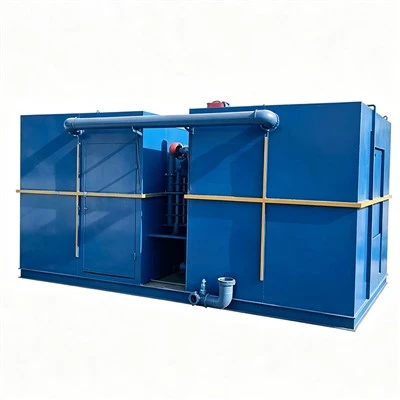
First off, let’s get one thing straight: spray painting booths aren’t just metal boxes that blow air. They’re enclosed systems that keep dust, pollen, road grime, and random airborne crud out of your spray area. If you skip on a good one, you’ll end up with runs, orange peel, and those tiny little fisheye marks that make even the cheapest paint job look like garbage. And guess what? That stuff costs you way more in rework than the booth ever would. So when we talk cost, we’re not just talking the price tag on the unit—we’re talking about what you get for that money, and how it fits your specific setup.
Let’s start with the basics: the main factors that actually dictate price. First thing’s first—what’s the booth used for? Are you painting cars, trucks, motorcycles, industrial parts like metal gates or machine components, or maybe even aircraft parts? The size alone changes everything. A compact booth for a motorcycle fits in a 12×20 ft space, while a full-size car booth needs at least 20×40 ft, and industrial booths for big parts can be 50 ft or longer. That extra space means more ductwork, bigger fans, stronger filtration systems, and sturdier framing. So right off the bat, a motorcycle booth is gonna be way cheaper than a full-size auto booth, which is cheaper than an industrial heavy-duty one.
Next up is the type of booth. There are three main types, and each has a totally different price point. Let’s keep it simple: entry-level, mid-range, and premium. Entry-level booths are the ones you’ll see in small, independent auto shops or hobbyist setups. These are usually downdraft (meaning air pulls down through the floor to carry overspray away), with basic fiberglass or galvanized steel walls, and standard paper filters. For most small to mid-sized auto shops, entry-level starts around $8,000 to $15,000. Wait, I know that’s a wide range—let me explain: if you’re buying a basic kit you have to assemble yourself, that’s on the lower end. If you get one we pre-fabricate and deliver to your shop (you just bolt it down and hook up the ventilation), that’s closer to $12k-$15k. The big thing with entry-level: it works, but it’s not built for high-volume shops. If you’re knocking out 5 cars a week, those basic fans might wear out faster, and the filters need changing more often.
Then there’s mid-range booths. These are for shops that do consistent work, maybe 8-10 cars a week, or small industrial operations painting parts. Mid-range usually has powder-coated steel walls (way more durable than galvanized, no rust), upgraded fans that run quieter and move air more evenly, and better filtration that catches finer particles, so your paint jobs come out smoother. Price here starts around $18,000 and goes up to $30,000. The difference between mid and entry? We test every mid-range booth before it leaves our warehouse, so you don’t have to troubleshoot drafts or uneven air flow when you get it. Also, mid-range often has optional extras like integrated heating systems, so you can cure paint faster instead of waiting for the shop’s ambient temperature to warm up. That’s a game-changer for getting cars in and out, right?
Premium booths are the top tier—think high-end collision shops, big auto manufacturers, or industrial facilities painting large, complex parts. These are often crossdraft (air flows from the front to the back) or semi downdraft, with heavy-gauge steel, variable-speed fans, HEPA-grade filtration, and climate control that keeps temperature and humidity locked in within a few degrees. Some even have built-in lighting systems that reduce glare, so you can spot tiny imperfections while you’re painting. These don’t come cheap—prices start around $35,000 and can go all the way up to $100,000+ for custom industrial setups that can handle things like aircraft wings or big machinery. The good news here? A premium booth lasts 20+ years with proper maintenance, and the efficiency of the fans means you save tons on utility bills over time.
Wait, but hold on—there’s more to the cost than just the booth itself. A lot of first-time buyers forget about installation and ductwork. If you’re not handy with construction (and even if you are, spray booth ducting is specific), you can’t just hook up a regular AC vent. You need rigid ductwork sized for your booth’s CFM (cubic feet per minute, the measure of how much air moves through the system), proper dampers to control airflow, and sometimes make-up air units that bring in fresh outdoor air so you don’t create a negative pressure zone in your shop (negative pressure would suck in all sorts of dust from other areas, which defeats the whole point of the booth). Installation costs can add anywhere from $2,000 to $10,000 depending on how far your shop is from the exterior, how many vents you need, and whether you need electrical upgrades for the heating or climate control.
Then there are extra features that add to the cost, but are totally worth it for a lot of shops. Let’s list the most common ones: integrated curing systems (those are the heaters that speed up paint drying, so you can turn a 2-day job into a 1-day job, which is a huge profit maker), digital temperature and humidity controls (no more guessing if the conditions are right for paint), LED lighting (way brighter than old fluorescent, and doesn’t cast weird shadows that hide paint flaws), and explosion-proof components (super important for shops that use flammable solvents, required by OSHA in most areas). Those extras can add $1,000 to $10,000 to your total, but trust me—your painters will thank you for the better lighting, and the curing system will pay for itself fast.
Also, let’s talk about used booths. I know some people jump on used to save money, and that can work if you know what to look for. A used mid-range booth in good shape might be $5,000 to $12,000, but there are big catches here. First, you have to check if it’s compliant with current local air quality regulations and OSHA rules. A booth that was up to code 10 years ago might not pass inspection now, which means you’ll have to spend thousands to upgrade the filtration or ventilation to make it legal. Also, used booths might have hidden issues: worn-out fans, rusted walls, or outdated filters that don’t do a good job catching overspray. We always tell people: if you go used, have a professional inspect it, and factor in upgrade costs before you buy. For most new shops, buying a properly certified new booth is less hassle in the long run, even if the upfront cost is higher.
Now, let’s get real about what you get for your money, and why the cheapest booth isn’t always the best. We once had a customer come to us 6 months after buying a $5,000 entry-level booth from a no-name seller. His problem? The fan was too weak, so dust kept getting in, and the filters were so thin they couldn’t catch overspray—he was having to redo 2 out of every 5 cars, which cost him more in labor and materials than the booth itself. He ended up trading it in for a mid-range booth from us, and within a year, his rework rate dropped to less than 10%. That’s the thing: a spray painting booth is an investment in your business. A good one doesn’t just give you better paint jobs—it makes your painters more efficient, reduces rework, and keeps you from failing inspections.
Wait, also—size matters more than you think. A lot of people buy a booth that’s just barely big enough for their largest car, and then they can’t take on bigger projects. If you do any work with SUVs or pickup trucks, get a booth that’s at least 2 ft longer than your biggest vehicle. We see this mistake all the time: a shop owner with a small sedan booth tries to paint a crew cab truck, and they don’t have enough space to move the spray gun around the wheel wells properly, leading to uneven paint. That’s a avoidable headache, and it only adds a few thousand bucks to the total price—way better than ruining a big job and upsetting a customer.
What about maintenance costs, you ask? That’s part of the total cost of ownership, right? Entry-level booths have lower upfront costs but higher maintenance: filters might need changing every 2-4 weeks, fans need lubricating more often, and the ductwork can get clogged faster. Mid-range booths have filters that last 6-8 weeks, and the powder-coated walls resist rust, so maintenance is cheaper. Premium booths have filters that last 2-3 months, and the systems are designed to run with minimal downtime. Annual maintenance for a mid-range booth is usually around $500-$1,000, while entry-level can be $1,000-$1,500 a year. That adds up, so it’s worth factoring into your budget, not just the initial purchase price.
Let’s wrap this up with a real example, because numbers make it easier. Suppose you’re a small auto shop looking to upgrade from your old outdoor spray setup. You do about 4 cars a week, mostly sedans, and you want a booth that’s reliable, meets OSHA standards, and has enough space for a small SUV. Let’s break it down: mid-range full-size car booth (22×48 ft) with powder-coated walls, standard downdraft ventilation, LED lighting, and a basic heating system. That’s $22,000 for the booth. Add installation and ductwork: $5,000. So total upfront is around $27,000. Maintenance for the first year: $700. Compare that to a $10,000 entry-level booth, plus installation of $3,000, plus $1,200 in first-year maintenance, plus the cost of rework on extra cars. The mid-range setup costs a bit more upfront, but you save thousands in rework every year.
At the end of the day, there’s no magic number for how much a spray painting booth costs, because it’s all about your specific needs. If you’re painting motorcycles, we’ve got booths for $6k all-in. If you’re a big industrial facility needing a custom setup for heavy parts, we can build that too, and we’ll work with your budget to make sure you get something that works for your business.
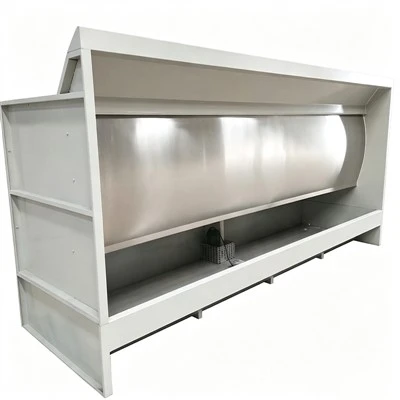
If you’re tired of dealing with bad paint jobs, or you’re ready to upgrade your shop and take on more high-quality work, don’t guess at the price—reach out. We’ll ask you about what you’re painting, how big your space is, how many jobs you do a week, and give you a clear breakdown of costs, no hidden fees, no jargon. Whether you’re a one-man shop or a large operation, we’ve got a booth that fits your needs and your budget. Hit us up to chat through your requirements, and we’ll get you set up with a system that makes your paint jobs look as good as you know they can be.
Grinding Table References:
- Occupational Safety and Health Administration (OSHA). (2022). Spray Finishing Standards: General Requirements. U.S. Department of Labor.
- International Organization for Standardization (ISO). (2021). Paint Booth Performance Specifications for Automotive Applications. ISO 12046:2021.
- Automotive Service Association (ASA). (2023). 2023 Cost Guide for Collision Repair Facilities: Booth and Equipment Investments. ASA International.
- National Fire Protection Association (NFPA). (2022). Standard for Spray Application Using Flammable or Combustible Materials. NFPA 33:2022.
Ningbo Jialong Energy-saving and Environmental Protection Technology Co., Ltd.
As one of the most professional spray painting booth manufacturers and suppliers in China, we also support customized service. We warmly welcome to buy advanced spray painting booth in stock here from our factory. If you have any enquiry about quotation, please feel free to email us.
Address: Dong Village, Dongwu Town, Yinzhou District, Ningbo City, Zhejiang Province (No.63 Zhennan Road, Dongwu Town)
E-mail: Lin.cx@nb-jalo.com
WebSite: https://www.cnjialong.com/
