If you’ve ever stood in a grocery store aisle, staring at a carton of orange juice that stays fresh for two weeks, a bag of cookies that don’t go stale in three days, or a tube of toothpaste that still works the same way it did when you bought it, you’ve likely thought less about the tiny ingredients that make all that possible—and more about how much you’re spending. As someone who’s been in the food additives supply business for 12 years, I get it. There’s a lot of noise online about “chemicals in food,” a lot of fearmongering from people who’ve never seen a food manufacturing line or the rigorous testing that goes into every single additive we provide. Let’s cut through that noise. Food additives aren’t the enemy. They’re the unsung heroes of the modern food system, and the benefits they deliver—safety, affordability, accessibility, and even nutrition—are things that affect every single person on this planet, whether they realize it. Food Additives

Let’s start with the most important benefit: food safety. I’ve stood on a production floor watching a batch of fresh ground beef come off a conveyor belt, and I’ve seen first-hand how a small dose of a preservative like sodium nitrite (used in cured meats) stops Clostridium botulinum, the bacteria that causes life-threatening botulism, from growing. Before sodium nitrite was widely used in the 1920s, outbreaks of botulism from sausage and deli meats were common; today, they’re extremely rare. That’s not a coincidence. Preservatives do one simple, critical job: they stop harmful bacteria, yeast, and mold from growing on food before it gets to your plate. Without them, most fresh foods would spoil within days, not weeks or months. That would mean more food sitting in landfills, and more people getting sick from contaminated food.
I remember a story from 2018, when a salmonella outbreak from imported tomatoes sickened over 800 people in the U.S. and Canada. Those tomatoes didn’t have access to any safe preservatives that would have stopped salmonella from spreading during shipping, because the supplier was cutting costs to undercut competitors. Now, when I talk to my clients—small family-owned canning companies and large national food brands alike—we emphasize that the additives we provide aren’t just about extending shelf life; they’re about protecting public health. Antioxidants like ascorbic acid (vitamin C) and tocopherols (vitamin E) don’t just keep oils from going rancid in salad dressings and nut butters—they also prevent harmful free radicals from forming, and they stop pathogens from taking hold. That’s not “processing” food; that’s protecting it.
Next up: affordability. Let’s be real. If we didn’t use food additives, most of us wouldn’t be able to buy many of the foods we rely on every day. Think about fresh milk. If you buy milk from a small dairy farm, it might last three to four days in the fridge. But milk from a national dairy cooperative, which has to be transported across the country to reach grocery stores in every state, would go bad before it ever hit shelves without a small dose of vitamin D (added for nutrition) and a preservative like potassium sorbate. The same goes for bread. Without preservatives like calcium propionate, mold would start growing on a loaf of bread within five days. For a small bakery that sells only locally, that’s manageable, but for a national brand that distributes to 50 states, throwing away moldy bread every week would double or triple the cost of a loaf.
I’ve worked with a lot of small business owners over the years, and one thing I hear all the time is, “I can’t compete with big brands because my food costs too much.” But when we talk about food additives, we help them level the playing field without sacrificing quality or safety. For example, adding a small amount of a natural stabilizer like guar gum to a jar of peanut butter means you don’t have to stir the oil every time you open it. That stabilizer is a fraction of a cent per serving, and it saves the customer from having to buy a separate tool to mix it, or throwing away half the jar because they don’t want to deal with the separation. Affordability isn’t just about keeping prices low; it’s about making food accessible to people on tight budgets, who might otherwise have to choose between cheap, spoiled food and nothing at all.
Speaking of accessibility, food additives have changed the way we feed people during crises. During the COVID-19 pandemic, when supply chains were collapsing and grocery stores were running low on fresh produce, the demand for shelf-stable foods—canned fruits and vegetables, dried grains, and packaged meals—skyrocketed. Those foods rely on additives like citric acid (used to adjust pH and prevent spoilage) and sodium benzoate (a mild preservative) to stay safe for months, even when stored in a cabinet without electricity. I’ll never forget the call I got from a food bank in Texas in April 2020, asking if we could rush 10,000 units of a preservative that helps extend the shelf life of canned beans. Those beans went out to families who were stuck at home, unable to work, and relying on the food bank for every meal. Without that small additive, those cans would have spoiled before they even reached the shelves of the food bank. That’s not a “convenience” benefit—it’s a life-saving one. You don’t have to be a prepper to rely on shelf-stable food; you just have to be someone who needs to feed their family when the regular food supply is disrupted.
Another benefit that’s often overlooked: nutrition enhancement. I know what you’re thinking: “Additives are just for processing, not for nutrition.” But that’s not true. Many of the additives we supply are essential micronutrients that people wouldn’t otherwise get in their diets. For example, iodine is added to table salt to prevent iodine deficiency, which can cause intellectual disabilities in children and thyroid problems in adults. Before iodized salt was introduced in the 1920s, goiter (a swelling of the thyroid gland) was common in parts of the U.S. where soil was low in iodine. Today, goiter is extremely rare, and that’s directly tied to this simple additive. We also add vitamin D to milk, omega-3 fatty acids to yogurt, and iron to cereals—all things that help people get the nutrients they need to stay healthy, especially in communities where fresh fruits, vegetables, and whole grains are hard to access.
I’ve seen this first-hand working with a school lunch program in rural Ohio, where many students don’t have access to a grocery store with fresh produce within 10 miles. The program uses fortified cereals with iron and B vitamins, and fruit cups with added vitamin C, to make sure kids are getting the nutrition they need to focus in class. Without those additives, those meals would be nutritionally incomplete, and those kids would miss out on key nutrients that are critical for their growth. Food additives aren’t just about keeping food from spoiling; they’re about making food more nutritious for people who need it most.
Now, let’s address the elephant in the room: the fear around “artificial” additives. I’ve had customers ask me, “Can you only supply natural additives?” and I always tell them: the difference between natural and artificial isn’t always what you think. For example, ascorbic acid—vitamin C—can be extracted from oranges (natural) or made in a lab (artificial), but both are chemically identical and work exactly the same way in the body. The FDA regulates every single food additive, whether natural or synthetic, and requires years of testing to prove that they’re safe for human consumption at the levels used in food. The “unsafe” additives you hear about in the news are almost always the ones that were used in much higher levels than recommended, or in products that don’t meet safety standards. For example, trans fats, which were banned in the U.S. in 2018, aren’t a food additive—they’re a byproduct of a processing method that was never properly regulated. We don’t supply trans fats, and we never have, because we prioritize safety above all else.
As a food additive supplier, my team and I don’t cut corners. Every additive we provide is tested by third-party labs, and we work closely with our clients to make sure they’re using the right amount, for the right purpose. We don’t sell “mystery chemicals” to anyone; we provide full documentation on every product, including safety data sheets and FDA approval numbers. For small food businesses that might not have a large quality control team, we even offer training on how to use our additives correctly, to ensure they’re complying with all regulations and delivering a safe product to their customers.
Let’s also talk about food waste. The UN estimates that one-third of all food produced in the world is wasted, either because it spoils before it’s sold, goes bad in the home, or is thrown away because it’s not aesthetically perfect. Food additives help reduce that waste in two ways: first, by extending shelf life so food can be transported and stored without spoiling, and second, by improving texture and appearance so food looks fresh and appealing to consumers. For example, a color additive like beta-carotene (which gives orange juice its bright color) makes it look more fresh and desirable, so consumers are less likely to throw it away because it’s “dull.” A stabilizer like xanthan gum keeps salad dressings from separating, so they’re more usable and less likely to be thrown away because they look “wrong.” Every day, my team works on solutions that cut down on food waste, and that’s something I’m proud of.
At the end of the day, food additives are a tool—just like a chef’s knife or a farmer’s tractor. The benefit depends on how you use it. A knife can cut bread or hurt someone; a tractor can help plant crops or damage soil. Food additives, when used responsibly and in line with regulations, make food safer, more affordable, more accessible, more nutritious, and less wasteful. They let us feed more people, in more places, with more consistency, than we ever could without them.
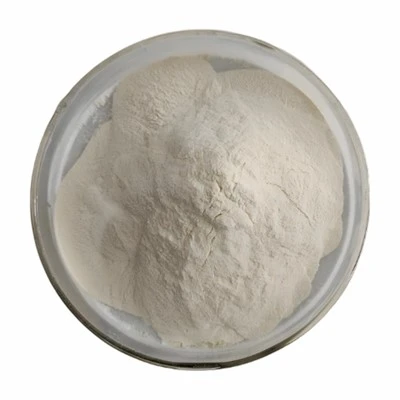
If you’re a food manufacturer, a small bakery, a food processor, or someone looking to improve your product line, let’s talk. My team has over a decade of experience working with all kinds of businesses, from start-ups to national brands, and we can help you find the right additives for your needs—whether you’re looking for natural preservatives, nutrition fortifiers, stabilizers, or anything in between. We prioritize safety, quality, and transparency, and we’re committed to helping you deliver a great product to your customers.
Sweeteners References
U.S. Food and Drug Administration. (2023). Food Additives.
World Health Organization. (2022). Food Additives and Public Health.
United Nations Food and Agriculture Organization. (2021). Global Food Waste Report.
Centers for Disease Control and Prevention. (2019). Iodine Deficiency Prevention.
Qingdao Longfeng Chemical Co., Ltd.
With abundant experience, we are one of the most professional food additives manufacturers and suppliers in China. We warmly welcome you to buy bulk premium food additives at competitive price from our factory. If you have any enquiry about free sample, please feel free to email us.
Address: B612, NORD PLAZA, NO.328 DUNHUA ROAD, QINGDAO, SHANDONG, CHINA
E-mail: Tony@longfengworld.com
WebSite: https://www.longfeng-chem.com/
