Hey everyone, it’s Mike from your go-to outdoor wood products supplier, and today I wanna talk about something we get asked ALL the time: what wood stuff actually works for coastal areas? You know, those places where the air smells like salt, the wind’s nonstop, and one wrong material just rots or warps before your first beach BBQ is over. I’ve been doing this for 12 years, and I’ve seen every mistake—someone bought cheap pine picnic tables for their summer rental in Daytona, and by Labor Day, they were falling apart. So let’s cut the fluff, no fancy jargon, just what actually holds up when salt is in the air and humidity’s through the roof. Outdoor Wood Products

First, let’s get one thing straight: coastal areas aren’t like your backyard 20 minutes inland. Salt spray isn’t just annoying—it’s corrosive. It seeps into wood pores, speeds up rot, and even eats away at regular paints or sealants. Humidity means the wood’s always expanding and contracting, so you need stuff that can handle that without cracking. And let’s be real—if it’s gonna sit by the ocean, it should look good, not just be functional. No one wants a deck that’s gray and splintery after a year.
Let’s start with the big one: decks. Everyone wants a deck by the ocean, but picking the wrong wood here is a death sentence. A lot of people ask about pressure-treated pine, and yeah, pressure-treated is cheap, but most standard PT pine isn’t coastal-friendly. The chemicals they use might work inland, but salt reacts with them, and you’ll have the wood turning mushy in like two years. What about the good stuff, though? I’m talking about tropical hardwoods like Ipe, Cumaru, and Massaranduba. These are dense, super tight-grained, and they basically fend off salt spray on their own. I’ve installed Ipe decks in Galveston, Texas, and 8 years later, they still look like we put them in last month—no warping, no rot, just that beautiful warm brown patina everyone loves. The downside? They’re a bit pricier, but let’s be real—spending a few extra bucks now means you don’t have to rip the whole thing out in three years. Another option: Accoya modified wood. This is a newer product, super sustainable, and it’s treated with a proprietary process that makes it resistant to rot, insects, and that whole humidity expansion thing. We sold a bunch of Accoya railings for a beach house in Cape Cod last year, and the homeowner swears by them—no splinters, no discoloration, even after brutal nor’easters.
Next up: picnic tables and dining sets. If you’re hosting BBQs on the coast, you want these things to be able to handle sand, salt spray, and being left outside 24/7. I’ve seen too many picnic tables that fall apart because people used regular cedar. Cedar’s great inland, but salt eats through the natural oils that protect it. What works? Again, Ipe is a top pick for dining sets—solid, heavy, so it doesn’t blow over in those coastal winds. We also use teak, but only the old-growth teak (not the plantation stuff, which isn’t as durable). Teak has natural oils that are like a built-in sealant—repels water, fends off salt, and that weathered gray look is actually super popular for beach vibes. I had a customer in Myrtle Beach buy four teak dining sets a while back, and he just sands them once every two years and re-applies a light teak oil, and they’re good to go. Pro tip: For picnic tables, make sure the legs are elevated a little off the ground—prevents moisture from seeping up from the sand, which speeds up rot.
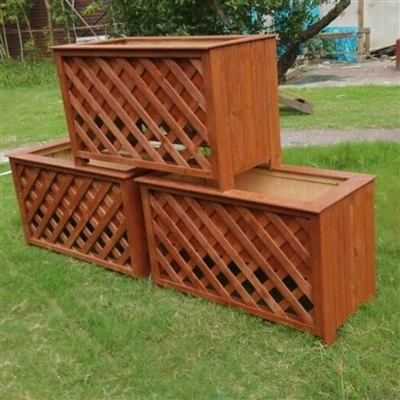
Now, smaller stuff that’s easy to overlook: planters. Coastal planters need to be tough, because they’ll get salt spray every time the wind blows, and they hold soil which is humid. Regular ceramic breaks too easily from temperature swings and salt, metal rusts. So what do we recommend? Rot-resistant wood, obviously. Accoya is perfect here because it doesn’t absorb too much water, so it doesn’t get heavy or rot. We also do cedar, but only if it’s a thick piece, and we seal it every year. Wait, but make sure you line the planter with a plastic liner, right? Even the most durable wood can get damaged if it’s sitting in wet soil 24/7. A lot of customers skip that, and then they come back complaining their planter split after a season. Don’t be that guy. Another small thing: Adirondack chairs. These are iconic coastal furniture, but again, pick the right wood. Ipe, teak, or even treated wood that’s specifically made for above-ground use (never ground contact PT wood for chairs). We’ve had customers buy our teak Adirondacks for places like Maui, and they leave them out all year—sun, salt, rain, no issues. And the best part? They get that soft gray patina after a few months, which looks so good by the ocean.
What about fencing? If you’re putting up a fence near the coast, privacy or decorative, you need something that doesn’t warp or rust. Standard pine fences? They’ll be leaning and rotten in two years. Again, tropical hardwoods like Ipe or Cumaru work, but if you want a more affordable option, there’s also cedar that’s kiln-dried and coated with a marine-grade sealant. Wait, but marine-grade sealant is key here—regular deck sealant isn’t enough for coastal areas. It needs to be resistant to UV rays and salt. I recommend re-sealing your fence every two years, even with the good stuff. I had a customer in Florida who went with vinyl fencing once, and it turned yellow and brittle in three years from the salt and sun. Way cheaper to go with a decent wood fence that lasts 10+ years.
Now, let’s talk about what to AVOID at all costs. This is important, because I want to save you the headache I’ve seen so many people go through. First, regular pressure-treated pine for ground contact. It might say “pressure-treated,” but most of the time, that’s for inland use. The chemicals break down when exposed to salt, and the wood becomes soft and crumbly. Second, unfinished softwoods (pine, cedar, spruce) without any sealant. Natural softwoods don’t have the density to block salt and moisture. Third, any cheap “coastal-friendly” wood that’s actually plantation-grown without proper durability—those often get sold as Ipe but are way less dense, and they rot in a year. And fourth, don’t forget about maintenance, even with the good stuff. No wood lasts forever, especially by the ocean, so a little upkeep goes a long way.
Wait, let’s get real about pricing. I know tropical hardwoods sound expensive, but when you compare the total cost over 10 years vs. replacing a cheap set every three, it’s actually cheaper. And we work with customers to find options that fit their budget—we have Accoya that’s mid-range, teak for those who want to splurge, and even sealed cedar for folks who don’t want to drop a ton upfront. We also offer custom cuts, so if you need a specific size for a small deck or a unique planter, we can do that too.
A quick story to drive this home: Last year, a guy named Jake from Orange Beach reached out to us. He had bought a set of those cheap pine Adirondacks from a big box store, and by July, they were splintering so bad his kid got a cut. He was ready to throw them out and buy something that actually worked. We sold him our Ipe Adirondacks, gave him a sample of marine-grade sealant, and told him to reapply once a year. Six months later, he sent me a pic—they looked brand new, sitting right by his beach access path. That’s what it’s all about, right? Stuff that works so you can enjoy the ocean, not worry about your furniture falling apart.
So if you’re planning to upgrade your outdoor wood stuff for a coastal spot—whether it’s a deck, chairs, planters, or a fence—hit us up. We don’t do pushy sales, we just give you honest advice based on what’s actually held up in places like the Gulf Coast, Atlantic, and Pacific. We can send samples, answer any questions, and help you pick the right pieces that fit your needs and budget. No pressure, just good products that last.
Before I sign off, quick notes: when installing any of these, leave small gaps between planks for expansion—coastal humidity makes wood swell, so gaps prevent cracking. And if you get salt spray on them, just rinse with fresh water once a month, that’s all. No fancy cleaning products needed.
Thanks for hanging out, and if you’ve got questions about coastal wood, drop them below or reach out anytime. Looking forward to helping you pick the perfect outdoor wood products for your beach spot.
Precast Wall Panels References:
- American Wood Protection Association. (2021). Wood Protection for Coastal and Marine Environments. AWPA Standard E10-21.
- Forest Products Laboratory. (2020). Durability of Wood Exposed to Saltwater and Coastal Atmospheric Conditions. USDA Forest Service General Technical Report FPL-GTR-278.
- Teak Wood Association. (2019). Maintenance Guidelines for Teak in Coastal Climates. Technical Bulletin No. 04.
- Accoya Wood. (2022). Performance Characteristics of Modified Acetylated Wood in High-Humidity, Salt-Exposed Environments. Product Application Note.
Zendekin Low-Carbon Technology Co., Ltd.
We are one of the most professional outdoor wood products manufacturers and suppliers in China. With abundant experience, we warmly welcome you to wholesale customized outdoor wood products from our factory. If you have any enquiry about quotation, please feel free to email us.
Address: Building 3, Yincheng INC Center, No.59 Tianyuan West Road, Jiangning District, Nanjing, Jiangsu, China.
E-mail: zdqeco@163.com
WebSite: https://www.zdqeco.com/
