Hey there, I’m Javi, and if you’ve been around the transmission and fastener parts space, you know that the stuff holding a gearbox together isn’t just random bolts and nuts—its the materials that make or break how a whole vehicle or machine runs. As someone who’s been in this game for 12 years, sourcing and supplying parts to repair shops, OEMs, and heavy equipment makers, I’ve seen way too many projects go sideways because someone cut corners on a fastener material that couldn’t handle the heat, torque, or grime. Let’s cut the jargon and get into the common materials we actually use day-to-day, and why they matter so much. Transmission and Fastener Parts
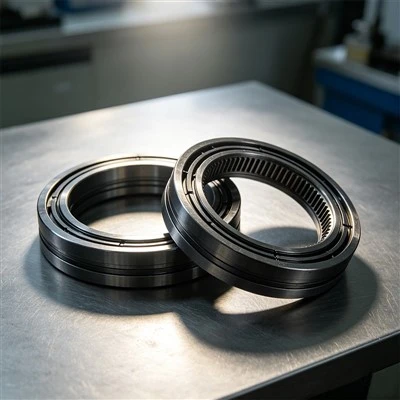
First off, let’s start with the workhorse of almost every transmission out there: carbon steel. This is the OG, and for good reason. It’s cheap, it’s strong, and it’s super easy to machine—perfect for making tons of standard bolts, studs, and nuts that go into automatic transmissions, manual gearboxes, even ag equipment gear trains. But not all carbon steel is the same, right? We split it into two main types for fasteners: low-carbon and medium-carbon. Low-carbon is the mild stuff—think 1018 steel. It’s soft, easy to bend, great for things that don’t get a ton of torque, like the small bolts holding a transmission pan on or wiring harness brackets. But here’s the catch: it can only handle so much force before it stretches or snaps. So we never use it for the heavy duty stuff like main bearing caps or differential bolts that have to hold up to thousands of RPM and constant load. Medium-carbon, like 1045 steel, is where it’s at for most transmission critical fasteners. It’s been heat-treated—usually quenched and tempered—to kick its strength up. We’re talking tensile strength in the 100,000 PSI range, which is enough to handle the torque from an engine, the shock of shifting, and the vibrations from a truck or a tractor. The only downside? It’s prone to rust if you don’t coat it, so we almost always plate medium-carbon fasteners with zinc or cadmium, or add a black oxide finish. Zinc plating’s the go-to for most passenger car transmissions—it’s cheap, stops corrosion, and has a good layer of durability. Cadmium is less common these days because it’s toxic, but some of our heavy equipment clients still ask for it because it holds up way better in salty or high-moisture environments, like construction sites near coastal areas.
Next up, alloy steel—and this is the material we reach for when carbon steel just isn’t cutting it. Alloy steel has other elements mixed in, like chromium, molybdenum, nickel, or vanadium, to boost specific properties without jacking up the price too much. For transmission fasteners, two types are super common: 4140 and 8620. Let’s start with 4140—it’s like medium-carbon steel on steroids. The chromium and molybdenum add so much tensile strength, usually around 150,000 PSI, and they give it way better toughness, too. That means it can take a hit without snapping, which is perfect for the heavy duty stuff: flywheel bolts, crankshaft main cap bolts, the big studs that hold a transmission bell housing to an engine. We supply tons of these to diesel truck guys and performance enthusiasts who push their engines way past stock limits, because 4140 doesn’t give out when you’re cranking up boost or adding a turbo. Then there’s 8620 steel, which is a case-hardened alloy. Wait, what’s case-hardening? Oh right, that’s the process where we add a hard outer layer to the fastener while keeping the core tough. 8620 has nickel, chromium, and molybdenum, and we usually carburize it—meaning we heat it in a carbon-rich environment so the surface soaks up carbon, then quench it to harden that outer layer. The result is a fastener that has a rock-hard surface (good for resisting wear from threads tightening and loosening) and a soft, shock-absorbing core (good for not breaking when there’s sudden torque). That’s why we use 8620 for things like input shaft bolts in manual transmissions, or the small studs that hold gear components together—they get twisted on and off a lot during repairs, so the hard surface doesn’t strip as easily as carbon steel. The only thing to note about alloy steel? It’s a little pricier than carbon, but for critical parts, it’s non-negotiable. I’ve had a customer come to me once with a blown transmission that had a broken 1045 main cap bolt—they cut costs and used carbon instead of 4140, and the bolt snapped under hard acceleration, sending metal shavings through the whole gearbox. We fixed it for them, and now they only ask for 4140 on all their heavy duty parts.
Now, let’s talk about stainless steel. A lot of people hear “stainless” and think it’s indestructible, but for transmission fasteners, it’s for very specific uses. There are a few grades we deal with here, the most common being 304 and 316 stainless. 304 is the standard—it’s got chromium and nickel, so it’s corrosion-resistant, easy to machine, and not super expensive. We use it for things like transmission dipstick bolts, vent plugs, and any parts that are exposed to moisture or road salt, like the fasteners on a truck’s undercarriage transmission components. But 304 has a downside: it’s not super strong. Tensile strength is around 75,000 PSI, which is fine for non-critical, low-load parts, but don’t try to use it for flywheel bolts. Then there’s 316 stainless, which is a step up. It has molybdenum added, so it’s way more resistant to harsh chemicals—like the antifreeze or transmission fluid that can leak out, or saltwater on boats. We supply 316 for marine transmissions, and for agricultural equipment that’s exposed to fertilizer chemicals that eat through regular steel. The only catch with stainless steel fasteners is that they can “gallic” if you over-torque them—meaning the threads weld together and seize up, so you can’t get the bolt out without damaging it. That’s why we always tell our customers to use anti-seize compound on stainless steel fasteners when they’re installing them. I learned that the hard way early on—had a customer who tried to reuse a 304 stainless bolt for a differential cover, and he over-tightened it, ended up ruining the bolt and the cover when he tried to remove it. Now we include a little tube of anti-seize with every stainless order, no extra charge.
Wait, I can’t skip bronze—yes, bronze, the old-world metal. It’s not as common as steel or stainless, but there’s a specific place for it in transmissions. Bronze is a copper-tin alloy, and it’s super soft and slippery, which makes it perfect for things like thrust washers, bushing inserts, and the small lock pins that hold gear synchros in place. We use bronze fasteners (well, technically they’re more like pins or inserts) because they don’t wear against steel components—they slide smoothly, which cuts down on friction and keeps the transmission shifting nice and easy. The only downside is that bronze isn’t strong enough for high-torque parts, so you’ll never see a bronze bolt holding a main cap. But for those small, high-wear, low-load parts, it’s the best material out there. I had a transmission repair shop tell me once that switching from steel pins to bronze synchro pins cut their customer’s repeat visits by 40%—because the steel pins were wearing out and causing gear slippage, while bronze lasted way longer. That’s the kind of small detail that makes a big difference.
Oh, and let’s not mention the more niche stuff for high-performance or extreme use, like titanium. Titanium is light, super strong, and way more corrosion-resistant than steel, but it’s hella expensive. We only supply titanium fasteners to serious performance customers or aerospace applications—like a race car team that wants to cut weight to get a faster lap time, or a satellite transmission that has to survive extreme temperature swings. For most everyday transmissions, titanium is overkill, but it’s good to know it’s out there if you’re building something wild.
Wait, a quick note on coatings, because I mentioned them earlier, and they’re just as important as the base material. A good coating can turn a regular carbon steel bolt into something that lasts for years, while a bad coating can make a stainless bolt seize up on you. We use zinc plating for most standard parts, sometimes with a chromate topcoat to make it even more corrosion-resistant. Black oxide is another option—it’s a thin, dark coating that’s cheap and looks good, but it doesn’t offer as much corrosion protection as zinc, so we use it for indoor parts or things that don’t get exposed to the elements. Cadmium, like I said earlier, is great for salt environments but toxic, so we only supply it when a customer specifically asks for it, and we make sure they handle it properly.
At the end of the day, choosing the right fastener material isn’t just about picking the strongest one—its about matching the material to what the part actually does. A small transmission pan bolt doesn’t need the same strength as a main cap bolt, and a marine transmission needs way more corrosion resistance than a car transmission in Arizona. I’ve been doing this long enough to tell you that cutting corners on material is almost always a bad idea. I’ve seen transmissions come back with stripped bolts, snapped fasteners, and rusted parts that all boiled down to someone using the wrong steel grade or skipping a coating.

If you’re a repair shop, a fleet manager, a performance builder, or anyone who needs reliable transmission fastener parts, we’ve got you covered. We stock all the materials we talked about—carbon steel, alloy steel, stainless, bronze, even the occasional titanium part— in every size you could need. We test every batch of parts to make sure the tensile strength and corrosion resistance meet our standards, and we don’t sell cheap knockoffs that break after a few hundred miles. Whether you’re fixing a 1998 Honda Civic transmission or building a 1000-horsepower diesel truck, we can get you the right fasteners at a fair price. Drop us a line to chat through your project, ask questions, or place an order—we’re here to help you get the job done right.
Reheating Furnace Heat Resistant Wear Spare Parts References
- Society of Automotive Engineers. (2021). Fastener Materials and Applications for Automotive Transmissions. SAE International.
- ASM International. (2018). Materials Selection for Mechanical Fasteners. ASM Handbook, Volume 20: Materials Selection and Design.
- Metal Powder Industries Federation. (2020). Alloy Steels for High-Performance Transmission Components. MPIF Standard 35.
- NACE International. (2019). Corrosion Resistance of Stainless Steels and Bronzes in Industrial and Marine Environments. NACE Publication 51100.
- Fastener Technology International. (2022). Guide to Fastener Coatings and Their Performance Characteristics. Fastener Engineering Magazine.
Jingjiang Jingyi Metallurgical Technology Co., Ltd.
With abundant experience, we are one of the most reliable transmission and fastener parts manufacturers and suppliers in China. We warmly welcome you to wholesale customized transmission and fastener parts made in China here from our factory. If you have any enquiry about quotation, please feel free to email us.
Address: No.5 Jianghe Road, Xinqiao Town, Jingjiang City, Jiangsu Province
E-mail: Lcbin1974@163.com
WebSite: https://www.jymetallurgical.com/
