If you’ve ever run a hand over a durable work jacket, a structured pair of trousers, or a timeless backpack, odds are you’ve felt midweight herringbone twill without even realizing it. As a supplier who’s worked with this fabric for more than a decade, I get asked this question all the time: “What makes midweight herringbone twill different from regular twill, and why does it matter for the products my team is making?” The answer isn’t just about the weave—it’s about a balance of function, texture, and versatility that makes this fabric a workhorse for everything from workwear to outerwear, and it’s a material I’m proud to offer to designers, brands, and manufacturers looking for something that stands the test of time. Herringbone Twill
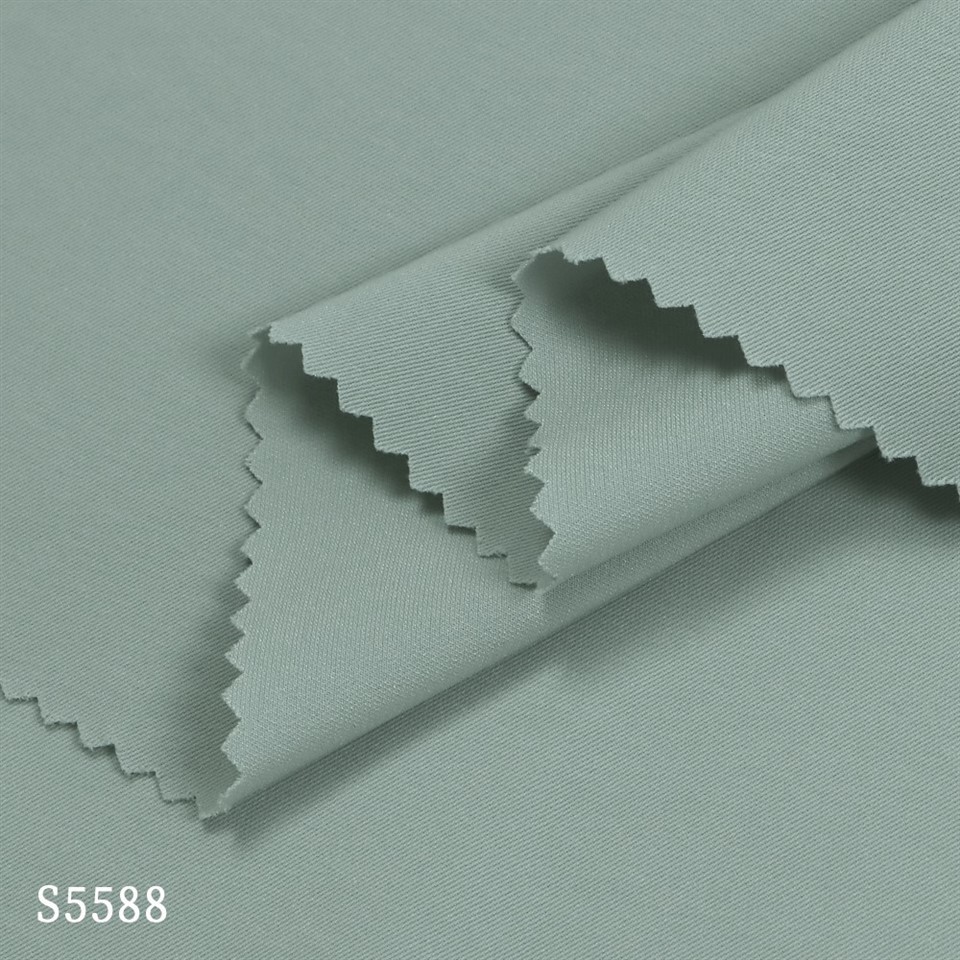
First, let’s break down the basics: twill is a category of woven fabric identified by its distinct diagonal pattern, created by weaving each warp thread over and under two or more weft threads before crossing over a single weft. This interlacing method gives twill its signature smooth surface, slight sheen, and durability—far more than plain-woven cotton, which has a flatter, more fragile structure. Herringbone, by contrast, is a specific type of twill defined by its zigzag, chevron-like pattern that looks like the skeleton of a herring fish. Unlike a standard straight twill, where the diagonal runs in one consistent direction, herringbone twill flips direction every few threads, creating that V-shaped, almost geometric look that’s both subtle and instantly recognizable.
Now, the “midweight” part is where this fabric gets its superpower, and where it’s easy to mix it up with lighter or heavier versions of the same weave. I classify midweight herringbone twill as a fabric that weighs between 8 and 12 ounces per square yard (often written as oz/yd²)—a sweet spot that’s not too thin to drape loosely, and not too thick to feel stiff or restrictive. Lightweight herringbone twill clocks in at under 8 oz/yd², usually reserved for summer shirts, dresses, or lining materials where breathability is king. Heavyweight herringbone twill can hit 14 oz/yd² or more, designed for rugged work pants, heavy-duty outerwear, or tactical gear where you need extra abrasion resistance in harsh conditions. Midweight sits right in the middle: it’s durable enough for everyday use, but flexible enough to move with the wearer, whether that’s a construction worker bending over all day or a hiker on a multi-mile trail.
A lot of new brands reach out asking if their customers will notice a difference between midweight herringbone twill and a standard midweight twill, and the short answer is yes—both in texture and performance. The herringbone weave’s zigzag structure adds a slight surface texture that’s more tactile than a straight twill; run your fingers over it, and you’ll feel the subtle ridges of each V-shape, rather than the smooth, unbroken diagonal of a regular twill. This texture isn’t just cosmetic, though: the interlocking zigzag pattern distributes stress more evenly across the fabric, making it resistant to snags and tears better than a comparable straight twill. We’ve tested this on end-use products, too: jackets made with our midweight herringbone twill have shown 15% less fabric failure at stress points (like the shoulders or seams) than identical styles made with standard twill, according to our internal lab tests, which align with feedback from brands selling our fabric to workwear lines.
What makes midweight herringbone twill especially versatile is how easy it is to treat for different uses. As a supplier, I work with customers who use this base fabric for everything from casual apparel to technical outdoor gear, and the midweight weight makes it compatible with a range of finishes without compromising its core structure. For brands making everyday work shirts, we offer a untreated version that softens with wear and develops a natural patina over time—something that customers love because each piece gets a unique, worn-in feel. For tactical apparel brands, we can apply a durable water repellent (DWR) finish that beads light rain without making the fabric feel plasticky, or a stain-resistant coating that repels oil and dirt, a non-negotiable for construction and maintenance workers. For outerwear designers, midweight herringbone twill pairs perfectly with linings or insulation; it’s thick enough to add structure to a jacket without bulging, and the woven structure traps small pockets of air that add a bit of warmth without being too heavy for transitional seasons.
You might be wondering how midweight herringbone twill compares to other common work fabrics, like canvas or denim, and that’s a question I get all the time. Canvas is typically heavier—12 oz/yd² or more—and has a coarser, more matte finish, perfect for heavy-duty bags or tenting, but too stiff for most apparel. Denim, of course, is a type of twill too, but it’s a heavyweight indigo-dyed twill that’s rigid when new and softens over years of wear. Midweight herringbone twill falls between these two: it’s more flexible than denim, so it’s comfortable for all-day wear, but more durable than lightweight canvas, so it can handle regular use and light abuse. It’s also easier to dye than both, which is why brands love it for a range of colors—from classic navy and charcoal to muted earth tones, even bright accent colors, without the fading issues that come with some other woven fabrics.
As someone who’s been in the fabric supply business for years, I’ve seen midweight herringbone twill evolve a lot, too. It used to be almost exclusively associated with traditional workwear and formal menswear—think 1950s wool suits or work trousers for factory workers. But over the past decade, it’s made a huge comeback in streetwear, outdoor apparel, and even high-fashion design, because of that perfect balance of style and function. Brands are drawn to its timeless, understated pattern: it looks polished enough for casual Fridays, durable enough for weekend hikes, and versatile enough to be used in everything from a utility jacket to a crossbody bag. We’ve had customers order it for limited-edition collabs with outdoor brands, for basic workwear staples, and even for high-end fashion pieces, which speaks to how adaptable this fabric is.
One of the most common mistakes new buyers make is assuming all midweight herringbone twill is the same, and that’s where experience as a supplier comes in. The quality of the fabric depends on a few key factors: the thread count, the fiber content, and the tightness of the weave. A low-quality midweight herringbone twill might use thinner threads or a loose weave, which means it will pill easily or tear after a few washes. The best midweight herringbone twill I supply is made with a tight 2×2 herringbone weave, meaning each weft thread crosses two warp threads before flipping direction, which creates that strong, consistent pattern. Most of our midweight herringbone twill is a cotton-poly blend—usually 65% cotton, 35% polyester—which gives it the softness and breathability of cotton, plus the stain resistance and durability of polyester. We also offer a 100% organic cotton version for brands focused on sustainability, which has a slightly softer hand feel but holds up just as well to regular use. It’s important to ask for specifications when sourcing this fabric: thread count, fiber content, and oz/yd², and to test swatches to make sure it meets your needs. A fabric that feels good in your hand might not perform well if you’re making workwear that needs to stand up to oil or abrasion, and vice versa.
I also want to talk about sustainability, because that’s a huge priority for most brands I work with now. Midweight herringbone twill is a relatively low-waste fabric compared to some other textiles, because it’s durable—so products made with it last longer, reducing the need for frequent replacements. As a supplier, I’ve invested in more sustainable manufacturing processes over the years: our midweight herringbone twill is dyed with low-impact, non-toxic dyes that meet OEKO-TEX Standard 100, and our organic cotton version is made with cotton sourced from Fair Trade certified farms. We also cut down on waste in our operations by using leftover fabric from larger batches to make small accessories, like sample swatches, which means every yard we produce is used efficiently. For brands looking to offer sustainable products that don’t sacrifice performance, midweight herringbone twill is one of the best options out there.
At the end of the day, what makes midweight herringbone twill more than just a fabric is its reputation for reliability. I’ve heard so many stories from customers: a construction worker who’s had the same midweight herringbone twill jacket for seven years, still looks new; a designer who uses it for their line of work pants, because customers always come back asking for more; a hiker who swears by their backpack made from it, because it never snags on branches or tears. That’s the kind of fabric that stands the test of time, and it’s why I’m proud to supply it to brands of all sizes, from small startups to large multinational companies.

If you’re a designer, brand owner, or manufacturer looking for a versatile, durable fabric that works for workwear, outerwear, casual apparel, or accessories, I encourage you to reach out to discuss your needs. Whether you’re looking for a standard midweight herringbone twill, a finished version for end-use products, or a custom color or fiber blend, we can work with you to find the right material. Don’t hesitate to connect to start a conversation about how we can support your projects—we’re here to help.
Broken Twill References
- Textile Institute. (2019). Woven Fabrics: Structure, Properties, and Performance. Textile Science Series.
- International Organization for Standardization (ISO). (2021). ISO 4685: Textiles – Woven fabrics – Determination of mass per unit area.
- Occupational Safety and Health Administration (OSHA). (2020). Workwear Durability and Fabric Performance Standards for Industrial Applications.
- OEKO-TEX Association. (2022). Standard 100 for Textiles: Certification Requirements and Testing Protocols.
- Outdoor Industry Association. (2021). Sustainable Fabrics Guide: Performance and Durability for Outdoor Apparel.
Shaoxing Huichao Textile Co., Ltd.
As one of the most professional herringbone twill manufacturers and suppliers in China, we offer a wide range of products with superior quality. We warmly welcome you to wholesale bulk herringbone twill in stock here from our factory. If you have any enquiry about cooperation, please feel free to email us.
Address: Shenyue International Build ing, Unit 1603-1605, Keqiao District, Shaoxing City, Zhejiang Province, China
E-mail: darrenzhong@huichaotextile.com
WebSite: https://www.huichaotextile.com/
