If you’ve ever crunched into a tangy sauerkraut, sipped a spoonful of lively miso soup, or stirred a creamy batch of kimchi fried rice, you’ve experienced fermented foods at their best. What you might not realize is that those bright, layered flavors, the creamy texture, and that extended shelf life aren’t just happy accidents—they’re the work of preservatives, and not the harsh, lab-made kind people have come to avoid in processed snacks. As someone who’s spent 12 years in the specialty preservatives supply space, focused exclusively on fermented food applications, I’ve walked dozens of small-batch fermenters and large CPG facilities through the delicate balance of keeping these foods safe, flavorful, and true to their roots. Today, I want to break down how preservatives work in fermented foods, demystify the science, and share what I’ve learned from working side-by-side with the makers who turn simple ingredients into shelf-stable, crave-worthy staples. Preservatives
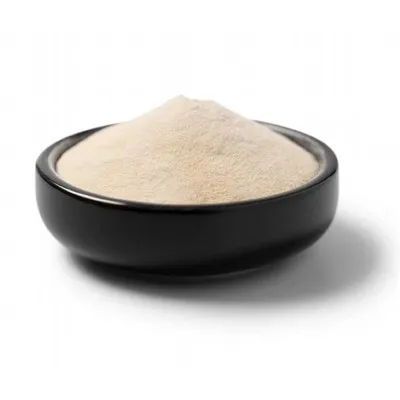
First, let’s clear up a common misconception: when most people hear “preservatives,” they think of synthetic additives that taste nothing like the food they’re added to. But in fermented foods, the primary preservatives are actually the good bacteria that do the heavy lifting during the fermentation process—think lactobacillus, pediococcus, and leuconostoc, to name a few. This is a huge part of why fermented foods have been a staple in diets around the world for thousands of years; before refrigeration or modern food safety rules, communities relied on this natural fermentation to preserve excess produce, grains, and dairy through cold months. Let’s start with the basics of how fermentation works, because that’s the foundation of how preservatives function here.
Fermentation is essentially a controlled metabolic process where beneficial bacteria (and sometimes yeast) break down sugars, carbs, and other compounds in food, converting them into byproducts that are hostile to harmful pathogens. Take sauerkraut, for example. Traditional sauerkraut is made by shredding cabbage, packing it tightly, and salting it—salt draws out the cabbage’s natural juices, creating an anaerobic (no oxygen) environment. Then, the naturally occurring lactobacillus bacteria on the cabbage leaves wake up and start feasting on the cabbage’s sugars. Their main waste product? Lactic acid. That lactic acid does three key things at once: it lowers the pH of the sauerkraut, making the environment too acidic for bad bacteria like E. coli, Salmonella, or Listeria to survive. It also creates a tangy flavor we associate with good sauerkraut, and it inhibits the growth of molds and yeasts that would turn the cabbage soft, slimy, or off-tasting.
This is the core of how natural preservatives work in fermented foods, but here’s where I see a lot of makers stumble, especially when they’re scaling from a 5-gallon crock in their garage to a 500-gallon commercial vat. Fermentation is a living, breathing process—temperature, salt concentration, starter culture strain, and even the ambient humidity in a production facility can throw it off balance. For small-batch makers, that might mean a single crock goes bad because it was stored too cold, slowing lactobacillus growth enough that a stray yeast got a foothold. For larger operations, inconsistent fermentation can lead to batches that are either too acidic (tasting sharp, almost vinegary) or not acidic enough, risking food safety issues or short shelf life. That’s where specialty preservative solutions come in—they don’t replace the natural fermentation process; they support it, stabilizing the conditions so every batch is consistent without altering the authentic flavor.
Let’s talk about the difference between natural, fermentation-derived preservatives and the synthetic ones that get a bad rap. I’ve worked with makers who swear by “no added preservatives,” but what that often means is they’re relying solely on the natural lactic acid from their fermentation—only that works reliably for products that are stored cold and eaten within a few weeks. If a maker wants to distribute their kimchi across the country, store it on grocery store shelves for a month, and have it taste just as fresh when it reaches a consumer in Texas as it does in California, they need a little extra support. That’s where targeted preservatives come in. For example, we work with many fermented food producers on sodium lactate solutions derived from sugar fermentation, not synthetic chemicals. Sodium lactate isn’t just a generic salt substitute—it’s a humectant that binds water, lowering the water activity (aw) of the food just enough to prevent pathogen growth, while also boosting lactic acid production from the native fermentation bacteria. The result? A product that stays crisp, has a consistent tang, and has a shelf life of 6 months unrefrigerated, without any off-flavors or weird aftertastes.
Another area I’ve seen massive demand for is in fermented dairy products, like kefir, yogurt, and traditional aged cheeses. In these products, the main preservative is still lactic acid from the starter culture, but soft, fresh cheeses or drinkable kefir have a higher water content, which makes them more prone to spoilage from yeasts and molds that can grow even in acidic environments. For these applications, we often work with natural preservative blends that include nisin—a bacteriocin produced by lactococcus bacteria, GRAS (Generally Recognized As Safe) by the FDA, and widely used in fermented dairy. Nisin works by punching holes in the cell membranes of harmful bacteria, stopping them from multiplying, while leaving the good fermentation bacteria untouched. I remember a few years ago, I was working with a small artisanal yogurt maker in Vermont who was struggling with her kefir going moldy after 10 days in retail coolers. She’d tried adding extra starter, changing her fermentation temperature, even adjusting her packaging—nothing worked. We suggested a low-dose, fermented-derived nisin blend that didn’t alter her yogurt’s creamy texture or tang, and within two weeks, her product had a 30-day shelf life, just as she’d hoped. It was a perfect example of how preservatives don’t have to be a “cheat” for natural fermentation; they’re a tool to make fermentation’s benefits accessible to more people.
One of the biggest challenges I’ve faced as a preservatives supplier is navigating the fine line between food safety and “clean label” demands. Over the last five years, consumers have become increasingly wary of long ingredient lists, and many assume that all preservatives are synthetic and unhealthy. That’s why we’ve focused almost exclusively on developing preservative solutions that are directly derived from fermentation, or are GRAS, non-GMO, and free of any artificial colors, flavors, or additives. For example, we work with a lot of craft kimchi makers in the Southwest who want to keep their labels clean but need to extend their shelf life. Traditional kimchi relies on lactic acid, but some makers were seeing their products get mushy after a month in distribution. We developed a custom blend of fermented sodium lactate and a small dose of rosemary extract (which acts as an antioxidant, preventing fat oxidation that causes off-flavors in kimchi made with pork or seafood) that’s listed as “fermented ingredients” on labels, not as a mysterious chemical. That’s the future of preservatives in fermented foods, in my opinion—solutions that work with the fermentation process, not against it, while being transparent and aligned with what consumers want.
I also want to address a common question I get from makers: do preservatives kill the probiotics that make fermented foods so good for gut health? That’s a huge concern, and one I take very seriously. The answer is: it depends on the preservative, and how it’s used. Natural, fermentation-derived preservatives like lactic acid, nisin, and fermented sodium lactate are specifically formulated to target only harmful pathogens and spoilage organisms, leaving the beneficial probiotic bacteria intact. In fact, many of these preservatives actually boost probiotic growth by creating an environment where the good bacteria can outcompete bad ones more easily. Synthetic preservatives, on the other hand, can sometimes be broad-spectrum, meaning they kill both good and bad bacteria, which is why we don’t supply any of those for fermented food applications. I’ve tested dozens of our solutions with independent labs, and every time, we see probiotic counts that meet or exceed the levels of products that don’t use any added preservatives. The key is using the right dose at the right time—adding too much of even a natural preservative can throw off the fermentation, but the right dose is undetectable to taste and doesn’t harm probiotics.
Let’s get practical, too—what does this mean for a maker who’s just getting started with fermented foods? If you’re making small-batch sauerkraut in your kitchen, you don’t need any added preservatives. Stick to a clean salt brine, keep the crock anaerobic, and store it in a cool, dark place. But if you’re scaling to sell your product, or want to expand your distribution, working with a preservative supplier that specializes in fermented foods is a game-changer. We don’t just send a generic product and walk away—we work with makers to test their fermentation process, adjust ingredient ratios, and find a solution that fits their exact flavor profile and shelf life goals. For example, a maker of raw fermented pickles might have different needs than a maker of fermented hot sauce, so we customize every blend to their specific product.
Over the years, I’ve seen the fermented food space explode—from small craft brands to large CPG companies launching lines of kimchi, kefir, and fermented snacks. That growth has brought a lot of excitement, but it’s also brought new food safety challenges. When products are made at scale, consistency is everything, and that’s where preservatives play a critical role. They don’t take away from the authenticity of fermented foods; they protect it. They ensure that the tangy sauerkraut a consumer buys at a grocery store in Chicago tastes just like the sauerkraut made by a family in Germany, or like the batch a maker tested in their kitchen. They make it possible for small makers to compete with larger brands without cutting corners on flavor or safety.
If you’re a fermented food maker, whether you’re just starting out or scaling your operation, I’d love to talk to you about how our custom preservative solutions can support your process. We focus exclusively on fermented foods, so we understand the unique needs of sauerkraut, kimchi, kefir, miso, and all kinds of fermented products. We work closely with every client to test their formulations, ensure compliance with all food safety regulations, and create solutions that keep your products safe, flavorful, and true to your brand.
For more information about our fermented food preservative solutions and custom formulation services, reach out to discuss your procurement needs.
Fructose Corn Syrup References
- Leroi, F., & Pilet, M. F. (2018). The use of preservatives in fermented foods. Current Opinion in Food Science, 22, 118-123.
- Tamang, J. P., Watanabe, K., & Holzapfel, W. H. (2016). Review: Diversity of microorganisms in global fermented foods and beverages. Frontiers in Microbiology, 7, 377.
- Institute of Food Technologists. (2020). Natural preservatives in fermented foods: Balancing safety, flavor, and clean labels. Food Technology Magazine.
Fudijia (Tianjin) Supply Chain Co., Ltd.
With abundant experience, we re one of the most professional preservatives manufacturers and suppliers in China. We warmly welcome you to wholesale bulk high quality preservatives made in China here from our factory. For more information, contact us now.
Address: 301-2-1C,Jin Bin Jie Zuo,No.98, Huanghai Road,TEDA, Tianjin, China
E-mail: foodchem@hjlfoods.com
WebSite: https://www.ifoodchem.com/
