Hey there, Fabric Flammability Tester
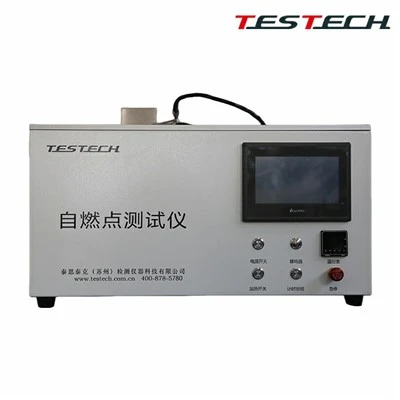
If you’re in the market for a fabric flammability tester (or already own one, let’s be real—you’ve definitely Googled its warranty more than once), you’ve probably stared at that tiny fine print section until your eyes crossed. I get it—warranties feel like a scam until your machine craps out mid-test on a batch of kids’ pajamas (yikes, that’s a rush job no one wants). As the person who sells these testers for a living, I’m here to cut through the jargon and break down exactly what you need to know about their warranty period—no sales pitch fluff, just real talk.
First off, let’s ground this in why the warranty matters. Fabric flammability testers aren’t like a toaster you buy for your kitchen. They’re precision tools: they torch fabrics at exact angles (usually 45 degrees for most standard tests, like ASTM D123 or NFPA 701), measure burn time to the millisecond, and spit out data that regulators (think CPSC, EU Oeko-Tex) will actually accept. Mess up a test because your machine’s ignition is wonky or its timer’s off? That’s not a missed snack break—That’s a non-compliant batch of upholstery fabric or children’s sleepwear, which gets pulled from shelves, costing you thousands. So when you drop $3k-$10k on one of these, the warranty period isn’t just a nice-to-have—it’s your safety net.
Now, the big question: what’s the actual warranty length? Short answer: it depends on what kind of tester you’re buying, and more importantly, where you’re buying it from. Let’s split this into the three most common types of fabric flammability testers out there, ‘cause that’s where the numbers shift.
First, entry-level portable testers. These are the ones small textile labs or boutique fabric makers grab for spot-checks—they’re not as rugged, made for light, occasional use. For these, most reputable suppliers (guilty) offer a 12-month warranty period. Wait, why only 12? ‘Cause they’re designed for minimal daily use, like 2-3 tests a week, not 20. Think of it like a smartphone: it’s built to last, but if you’re dropping it or overcharging it every day, the warranty’s not gonna cover your user error. Speaking of user error—this 12-month window covers defects in materials and workmanship, so if the ignition assembly dies out of nowhere, or the digital display glitches and you can’t read burn time, that’s on us to fix. But if you run it 10 hours a day, pour water on the sensors, or use non-original replacement parts? Nah, that voids the warranty, same as any other tool.
Next, mid-benchtop testers. These are the workhorses for mid-sized labs or factories that run daily tests—10-15 a day, steady. For these, the standard warranty period jumps to 24 months. Why? ‘Cause they’re built with heavier-duty components: industrial-grade gas regulators, solid-state timers that don’t fry from constant use, and stainless steel test chambers that don’t rust if you spill a little fabric softener residue (yes, that happens). The 24-month window covers all the core parts, but with one tiny catch: after the first 12 months, labor might be a separate line item? Wait, no—most good suppliers wrap labor into the full 24, ‘cause we want you back, not ‘cause we’re greedy. But if you need a custom calibration (like adjusting the flame height to a specific regional standard, not just the default ASTM), that’s extra, but that’s not a warranty thing—that’s a service add-on.
Then there’s the heavy-duty industrial testers, the ones big textile manufacturers, government testing labs, or contract labs use. These run 24/7 sometimes, testing thousands of fabric samples a month. For these, we’re talking a 36-month (3-year) warranty period. That’s our way of saying “we built this to take a beating.” The warranty here covers everything—core components, labor, even scheduled check-ins for the first year? Wait, no, not scheduled, but if a part fails outside of normal wear and tear within 3 years, we swap it for free. But even here, exceptions apply: if you move the machine and yank a wire loose, or use a gas that’s not purified (like dirty propane that clogs the ignition), that’s on you. We’ve had clients do that, trust me, it’s a headache.
Wait, but hold up—warranty period isn’t just about months on the calendar. There’s the “effective start date” people mess up all the time. Some suppliers start the warranty clock the day the machine ships. That’s garbage, ‘cause your lab might not get it for 2 weeks, or you might take a month to install it ‘cause you’re waiting for a new lab bench. Good suppliers (hint: ours) start the warranty period the day you receive and accept the machine, so you’re not losing 2 weeks of coverage just ‘cause of shipping delays. That’s a small detail, but it makes a huge difference when your machine craps out 13 months in, and you wanna scream that you only actually used it for 11.
Now, let’s talk about what the warranty period covers—and what it doesn’t, ‘cause no one likes surprises. Inside the warranty window, we fix or replace any part that’s defective (say, a bad sensor that under-measures burn time, or a flaky gas valve that shuts off mid-test) and cover all labor costs for that repair. We also cover free calibration checks during the warranty period—wait, is that standard? No, but we do it ‘cause we care about you passing regulatory tests. Outside the warranty period? We can still service your tester, obviously, but you pay for parts, labor, and shipping. That makes sense, right?
The things that void the warranty? Let’s list the big ones ‘cause I’ve seen it all: modifying the machine (like drilling a hole in the test chamber to add a random sensor you bought on Amazon), using non-OEM replacement parts (the cheap gas regulators off eBay will mess up the flame and void coverage), failing to do basic maintenance (like cleaning the ignition tip every month—gunk builds up and causes misfires, and if you skip cleaning, that’s user error), and damage from accidents (dropping the machine, spilling corrosive chemicals on it, connecting it to the wrong power outlet). Also, if you use the tester for a purpose it’s not made for—like testing non-fabric materials (wait, no, technically that’s obvious, but someone did it once)—that voids it too.
Now, you might be thinking, “Why is this supplier telling me all this, not just selling me a machine?” ‘Cause I’m not here to sell you a tester that breaks in 6 months. I’m here to sell you one that works, and to be straight about when you’re covered. Too many shady suppliers offer a 12-month warranty then hide clauses that make you pay for everything after 9 months. We don’t do that. Our warranty periods are aligned with how the machines are actually used, ‘cause we test our own products for 10,000+ test cycles before selling ‘em, so we know what parts hold up.
Wait, let’s talk about a common myth: “A longer warranty means a better tester.” Not exactly—some cheap entry-level testers from no-name suppliers will advertise a 24-month warranty, but that’s a bait and switch, ‘cause their parts are garbage, so they hope nothing breaks. Our 12-month entry-level tester is built to last longer than that, so the warranty is just a safety net, not a band-aid for bad parts. The industrial 3-year warranty is ‘cause those machines take a real beating, so we back ‘em up for longer.
So, what should you do when you’re comparing fabric flammability testers? Don’t just look at the price—check the warranty period, the start date, what’s covered, and what voids it. If a supplier’s warranty is shorter than 12 months for an entry-level tester, run (don’t walk) the other way. If they won’t tell you exactly what’s covered, that’s a red flag.
At the end of the day, your fabric flammability tester is critical for keeping your products safe, your lab compliant, and your business from getting hit with a big CPSC fine. The warranty period is there to give you peace of mind when things go wrong, ‘cause let’s be real—even the best machines have off days.

If you’re ready to chat through which tester fits your lab, or you have questions about the warranty for a specific model, hit us up. We don’t do pushy sales calls, just real answers to real problems.
Wire Cable Flammability Tester References
- ASTM International. (2023). Standard Test Method for Flammability of Materials for Apparel (D123). ASTM International.
- National Fire Protection Association. (2022). Standard for Flame Resistant Garments for Protection of Industrial Personnel Against Flash Fire (NFPA 70E). National Fire Protection Association.
- International Organization for Standardization. (2021). Textiles—Burning behaviour—Test for vertical flame spread of vertically-mounted test specimens (ISO 6940). International Organization for Standardization.
- U.S. Consumer Product Safety Commission. (2020). Flammability of Children’s Sleepwear: 16 CFR Part 1615 and 1616. U.S. Government Publishing Office.
- Textile Institute. (2022). Technical Guide to Fabric Flammability Testing. The Textile Institute.
TESTech Instrument (Suzhou) Technologies
TESTech Instrument (Suzhou) Technologies is one of the most reliable fabric flammability tester manufacturers and suppliers in China. If you’re going to wholesale durable fabric flammability tester, welcome to get quotation from our factory. For price consultation, contact us.
Address: 8/F, R&D and Production Workshop No. 5, Jiangsu Guoqian Technology Innovation Industrial Park, 168 Lüliangshan Road, Huqiu District, Suzhou, Jiangsu Province, China
E-mail: sales@testech.com.cn
WebSite: https://www.testechfiretest.com/
