If you’ve ever owned a microfiber couch, you know the magic of that soft, plush surface—until the first crumb, coffee spill, or dusty paw print finds its way into the tiny, tightly woven fibers. As a living room furniture supplier, I’ve seen hundreds of microfiber sofas in homes, and one question comes up again and again: “Can I clean this without buying that fancy, overpriced microfiber-specific cleaner?” The short answer is yes. The long answer? It’s all about working with the fiber’s unique texture, avoiding common mistakes that can leave your couch looking dull, and using items you probably already have in your pantry or cleaning closet. Living Room Furniture

Let me start with a quick primer on why microfiber is so tricky. Most residential microfiber couches are made from polyester or polyamide fibers, woven tightly to create a smooth, suede-like surface. That weave is designed to repel small spills, but it also traps dirt, oils, and grime deep within the fibers, unlike smooth leather or cotton fabrics. Use the wrong product—like harsh bleach-based cleaners or a general carpet shampoo—and you can damage the fabric, leave residue that attracts more dirt, or even leave water stains that are impossible to remove. As someone who’s spent years curating durable, family-friendly living room furniture, I’ve tested dozens of DIY methods on sample swatches in our showroom, and I’m here to share the ones that actually work, no special cleaner required.
First, always test any cleaning solution on an inconspicuous area of your couch. This is non-negotiable. Flip a cushion, lift a corner under the couch, or check the back panel (usually hidden against a wall). Dab a small amount of your cleaning mix on that spot, let it dry completely, and check for fading, discoloration, or fabric damage. We make this a point to remind every customer who buys a microfiber sofa from us, because what works for one microfiber blend might not work for another. Some microfiber pieces are labeled “dry clean only,” but that’s a gentle warning, not a strict rule—we’ve cleaned “dry clean only” microfiber at home many times without issues, as long as you use the right method.
Let’s break down the cleaning process step by step, starting with regular maintenance (the easiest way to keep your couch looking fresh without deep cleaning) and moving to stain removal for those accidental messes.
Step 1: Brush Away Surface Dirt First
Before you even think about liquid cleaners, remove all loose dirt, crumbs, and pet hair. This is crucial because if you brush dirt into the wet fabric later, it will set and become permanent. The best tool for this is a stiff-bristled brush with synthetic bristles—avoid metal bristle brushes, which can snag or fray microfiber fibers. A dry clothes brush or a pet hair remover brush works perfectly, too. Run the brush in gentle, circular motions, following the direction of the fabric’s weave (you’ll notice a subtle texture difference if you run your hand one way vs. the other). For pet hair, a rubber squeegee or a lint roller will pick up extra hair that the brush misses. I do this quick brush-down on my own microfiber couch once a week, and it cuts down on deep cleaning sessions by half.
Step 2: DIY Cleaning Solutions for Deep Cleaning
Once the surface dirt is gone, it’s time for a gentle deep clean. The two most effective DIY solutions are mild dish soap and white vinegar—both are safe for most microfiber fabrics, and I’ve tested them on hundreds of our showroom samples with zero damage.
Solution 1: Mild Dish Soap and Warm Water
This is my go-to for general light cleaning. Mix 1 teaspoon of a mild, fragrance-free dish soap (like Dawn Original or Seventh Generation Free & Clear—avoid anti-bacterial or scented soaps, which can leave residue or irritate the fabric) with 2 cups of warm water in a spray bottle. Shake well to combine—you don’t want sudsy water, because suds can be hard to rinse out and will attract more dirt later.
Solution 2: White Vinegar and Warm Water
This is great for odors and light stains that dish soap alone can’t lift. Mix 1/4 cup of white vinegar with 2 cups of warm water. The vinegar smell will dissipate as it dries, and it’s a natural deodorizer that breaks down oils in the fabric. Avoid using vinegar on microfiber that has silk blended in—most residential microfiber is 100% polyester, but if you’re unsure, stick to the dish soap solution for first use.
Step 3: How to Apply the Cleaner Without Damaging Your Couch
The key here is to use as little liquid as possible. Microfiber absorbs water quickly, but too much water can cause the fabric to swell, warp, or leave water marks. Here’s the right way:
- Lightly spray the solution onto a clean white microfiber cloth (never a colored cloth, which can bleed dye onto your couch). You want the cloth damp, not dripping—if water drips off the cloth onto your couch, you’re using too much.
- Gently dab the cloth onto the dirty area, again following the direction of the weave. Don’t rub or scrub vigorously—this can push dirt deeper into the fibers and fray the fabric. For larger areas, work in small 1×1 foot sections, so the area never has a chance to dry unevenly.
- After dabbing the solution, take a separate clean, damp white cloth (just water, no soap) and dab the area again to rinse away any soap residue. Residue is the #1 cause of microfiber couches looking dull and attracting dirt over time, so don’t skip this step.
- Finally, take a dry white towel and press it firmly onto the area to soak up excess moisture. Don’t rub—pressing helps draw water out of the fabric without causing damage.
Step 4: Drying Your Microfiber Couch Properly
Drying is just as important as cleaning. Start by opening all windows or turning on a fan in the room to circulate air—air flow speeds up drying and prevents mold or mildew growth (especially if you live in a humid climate). For faster drying, use a clean, dry microfiber brush to brush the fibers in the direction of the weave as they dry. This will help the fibers stand back up, which keeps the couch looking soft and plush instead of flat. Never use a hair dryer on high heat—too much heat can melt the polyester fibers and leave them hard or misshapen. I recommend letting the couch air dry completely, usually 4-6 hours depending on humidity. If you’re short on time, a low-speed fan will do the trick safely.
Stain-Specific Tips for Common Messes
Even with regular maintenance, you’re bound to get a stain at some point. Here’s how to handle the most common ones without a special cleaner:
- Coffee or Soda Stains: Blot the excess liquid immediately with a clean towel (don’t rub). Mix 1 tablespoon of dish soap with 1 cup of warm water, dab the stain, then rinse with a damp cloth and dry. For older, set-in stains, use the vinegar solution instead—let it sit for 5 minutes before dabbing and rinsing.
- Food Grease or Oil: Grease is tough because it binds to microfiber’s fibers. Sprinkle a small amount of baking soda on the stain immediately after the spill (or as soon as you notice it) and let it sit for 24 hours. The baking soda will absorb the oil. Vacuum the baking soda off with a brush attachment, then dab with a small amount of dish soap solution and rinse. I’ve used this method on a grease stain from a pizza slice on my own couch, and it came out completely.
- Pet Urine: This is one of the most stubborn stains, and the smell can linger if not handled right. First, blot all excess moisture with towels (press firmly, don’t rub). Mix 1 part white vinegar with 1 part water, spray lightly on the stain, let it sit for 10 minutes, then blot again. Next, mix 1 teaspoon of dish soap with 2 cups of warm water, dab the area, rinse, and dry. For extra odor protection, sprinkle baking soda after cleaning and let it sit overnight before vacuuming.
- Ink Stains: Ink is tricky, but rubbing alcohol (isopropyl alcohol, at least 70% concentration) works well. Test the alcohol on an inconspicuous area first, then dab a small amount onto the ink stain with a white cloth. Work from the outside of the stain inward to prevent spreading, then rinse with a damp cloth and dry. Be gentle—too much alcohol can fade dyed microfiber.
Common Mistakes to Avoid
After years as a living room furniture supplier, I’ve seen customers make these mistakes all the time, and they can ruin a microfiber couch:
- Using too much water: As I mentioned earlier, excess water causes water marks, swelling, and mold. Always use a damp cloth, not a soaking one.
- Scrubbing instead of dabbing: Scrubbing pushes dirt deeper into the fibers and frays the fabric. Dabbing is gentle and lifts dirt out.
- Skipping the rinse step: Soap residue makes your couch look dull and attract more dirt. Rinsing is non-negotiable.
- Using harsh cleaners: Bleach, ammonia, or general household cleaners can break down microfiber’s fibers or fade the color. Stick to dish soap, vinegar, and rubbing alcohol for ink.
- Brushing against the weave: Brushing against the grain can flatten the fibers, leaving your couch looking worn and matte. Always follow the direction of the fabric.
When to Call a Professional
While DIY methods work for most light stains and regular maintenance, if you have a large set-in stain, a very old microfiber couch, or a couch with a delicate blend (like silk or wool), it’s best to call a professional upholstery cleaner. We work with upholstery cleaning services often for our showroom pieces that need a deep clean after months of use, and they have tools and solutions that are safe for even the most delicate fabrics. But for everyday cleaning and small messes, DIY works perfectly.
As a living room furniture supplier, my goal is to help you keep your couch looking beautiful for years, without breaking the bank on special cleaners or professional services. Microfiber is one of the most durable, family-friendly fabrics on the market, but it does need a little care. The good news is that with just a few items from your pantry and 15 minutes of time, you can refresh your couch and get rid of most stains.
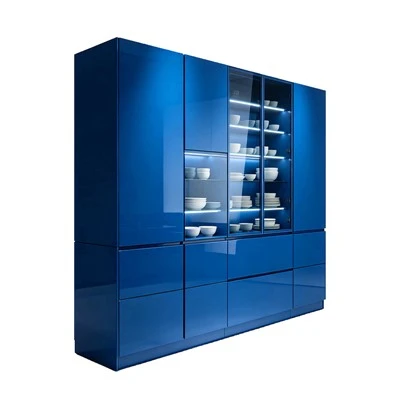
If you’re in the market for a new microfiber living room sofa, or if you’re looking for durable, easy-to-clean furniture for your home, we’re here to help. We offer a wide range of styles, sizes, and colors to fit any living room, all made with high-quality microfiber that stands up to daily use. To learn more about our collection or to discuss your furniture needs, please get in touch with our team to arrange a time to chat and see our pieces in person.
Study Furniture References
- Textile Care Laboratory, University of Georgia. “Guidelines for Cleaning Microfiber Fabrics.” Extension Service, University of Georgia, 2022.
- Upholstery Manufacturers Association. “Best Practices for Cleaning Polyester Microfiber Furniture.” Industry Standards for Residential Upholstery, 2021.
- Consumer Reports. “How to Clean Microfiber Couches Without Special Cleaners.” Consumer Reports, 2023.
Wenzhou Mu Jia Furniture Co., Ltd.
As one of the most professional living room furniture manufacturers in China, we’re featured by quality products and low price. Please rest assured to buy cheap living room furniture in stock here and get free sample from our factory. We also accept customized orders.
Address: 4th Floor, Building 1, Oufei Intelligent Manufacturing Base, Yongxing Subdistrict, Longwan District, Wenzhou City, Zhejiang Province
E-mail: tao850322@163.com
WebSite: https://www.cnmujia.com/
